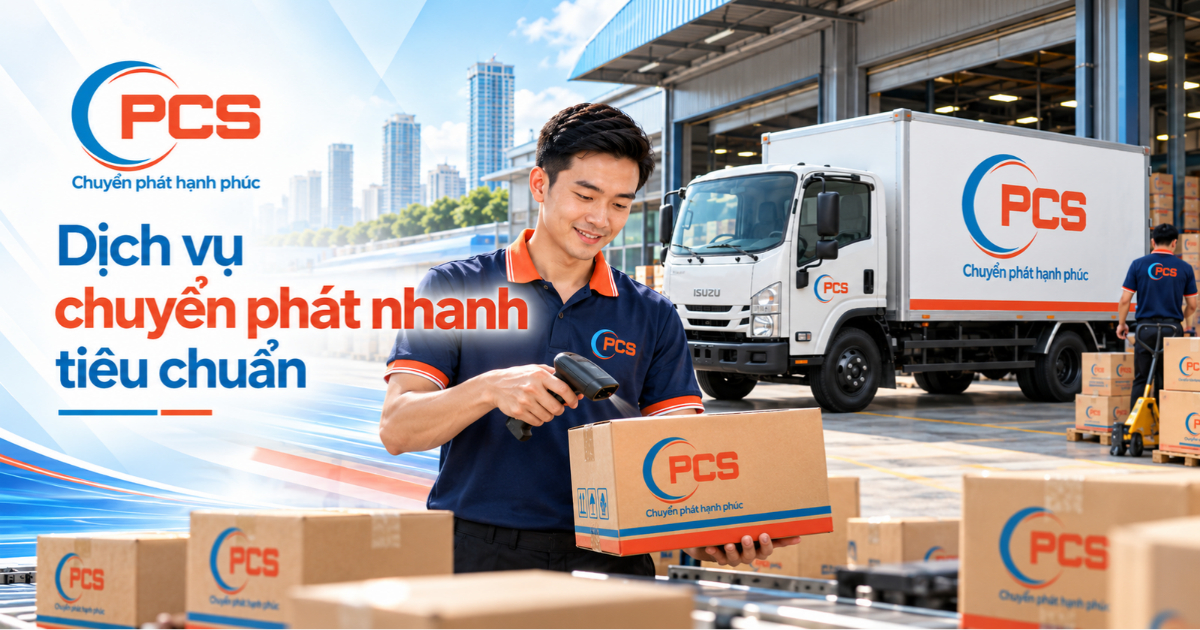

Shipments that must leave on a production schedule, arrive within a warehouse receiving window, or travel in a dedicated vehicle require advance transport planning. PCS Logistics offers full truckload shipping services based on cargo specifications, routes, and pickup and delivery conditions. Businesses can share shipment details and their proposed schedule so PCS can recommend a vehicle, plan the operation, and prepare a quotation.
1. What is full truckload transportation, and when should businesses use it?
For example, lightweight packaging that occupies most of a truck's cargo space may be suitable for FTL. A smaller batch of components may also need a dedicated truck to meet a factory's production supply schedule.
1.1. When should businesses choose a dedicated truck?
A dedicated vehicle is worth considering when a shipment has one or more of these characteristics:
- Large shipment volume: The number of packages or pallets uses a substantial share of the truck's capacity or cargo space.
- Space-intensive cargo: Bulky goods, non-stackable items, or products requiring protective clearance.
- Dedicated pickup and delivery schedule: Vehicle dispatch must match a production shift or confirmed warehouse receiving appointment.
- Reduced rehandling: Goods need to retain their external condition or minimize transfers between vehicles.
- Production supply: Materials or parts need to arrive in line with a factory's supply plan.
- Regular goods movement: Repeat shipments between factories, central warehouses, distribution centers, and dealers.
Before choosing a transport arrangement, compare not only the trip cost but also the consequences of late delivery, waiting for load consolidation, or moving goods through multiple handling points.
1.2. Full truckload (FTL) vs. less-than-truckload (LTL)
| Criteria | Full truckload (FTL) | Less-than-truckload (LTL) |
|---|---|---|
| Vehicle allocation | Vehicle assigned exclusively to a customer or shipment under the agreement | Several shipments share a vehicle |
| Suitable shipment size | Large, bulky, or requiring dedicated transport | Smaller shipments suitable for consolidation along the same route |
| Pickup and delivery schedule | Planned around the dedicated trip | Also depends on consolidation and route operating schedules |
| Transfers | Direct delivery is easier to arrange when conditions allow | May involve consolidation, sorting, or transfers |
| Pricing basis | Vehicle and full-trip transport arrangement | Shipment size and applicable service conditions |
| Main objective | Scheduling control, dedicated vehicle use, and delivery coordination | Transport costs for smaller shipments |
FTL shipping is not automatically cheaper or faster than LTL in every situation. Consolidated shipping may make more sense for smaller shipments with flexible delivery windows. When evaluating full truckload shipping services, compare the total cost against the same pickup, handover, and delivery deadline requirements.
Companies handling shipments of different sizes can also discuss PCS Logistics' road transportation options to choose the appropriate arrangement.
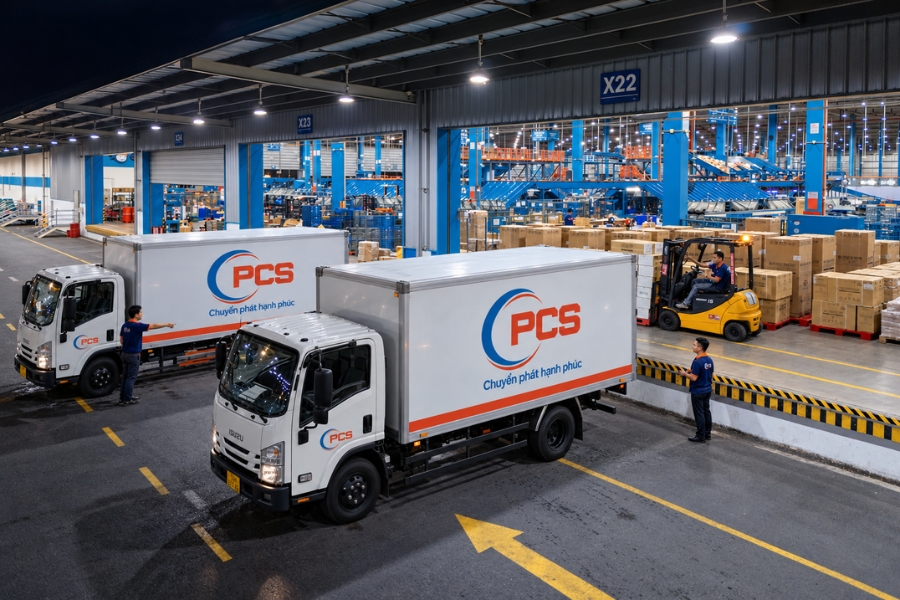
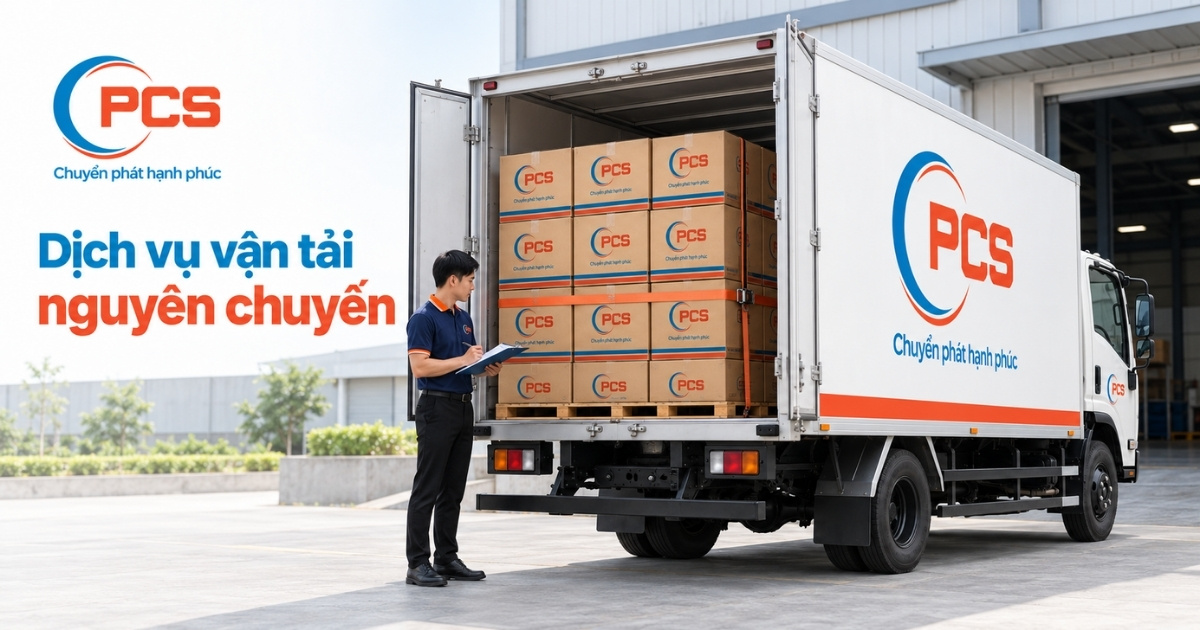
Dedicated truck transportation helps businesses control shipping schedules and delivery handovers.
2. Business shipping needs suited to dedicated truck transportation
Dedicated truckload shipping supports shipments with clearly defined collection points, destinations, and operating schedules. Each freight flow calls for a different planning priority.
2.1. Delivering raw materials and components to factories
For inbound materials, dedicated transport should align the truck's arrival with the receiving schedule and production supply requirements. Procurement, warehouse, and manufacturing teams need to agree on cargo readiness, receiving windows, and the receiving contact.
Example: A factory needs components for its next production shift. The transport plan must account for when the supplier releases the shipment, loading time, road transit, and handover. A truck reaching the factory gate does not necessarily mean the components are ready for production use.
For recurring production deliveries, businesses may also discuss PCS Logistics' industrial park express or dedicated-route transportation options, depending on cargo specifications and service suitability.
2.2. Transferring goods between factories, warehouses, and distribution centers
A PCS Logistics Full Truckload arrangement may suit factory-to-distribution-center (DC), central-warehouse-to-regional-warehouse, or industrial-park-to-distribution-warehouse transfers. These movements require coordination between outbound loading capacity and inbound receiving resources.
When scheduling the trip, confirm the quantity to be dispatched, unloading space at the destination, staffing, and forklift availability. A truck arriving on time can still face delays if the receiving warehouse has no available unloading bay.
2.3. Moving large batches of finished goods
PCS offers full truckload shipping services for concentrated finished-goods dispatches to a warehouse, distributor, or business partner. Exclusive vehicle use helps organize cargo by batch and complete handover according to one agreed plan.
For mixed-SKU shipments, the packing list should identify how many packages or pallets belong to each product code. This helps the recipient count items efficiently and identify discrepancies when they occur.
2.4. Shipments requiring specific pickup or delivery appointments
Businesses should consider full truckload services when:
- The receiving warehouse has booked a specific delivery appointment or time window.
- The factory accepts goods only during designated shifts or hours.
- Equipment or materials must arrive alongside installation personnel and machinery.
- The shipment must travel separately at the sender's or recipient's request.
At booking, distinguish among vehicle arrival time, unloading start time, and the deadline for completing handover. All three affect departure planning and contingency time.
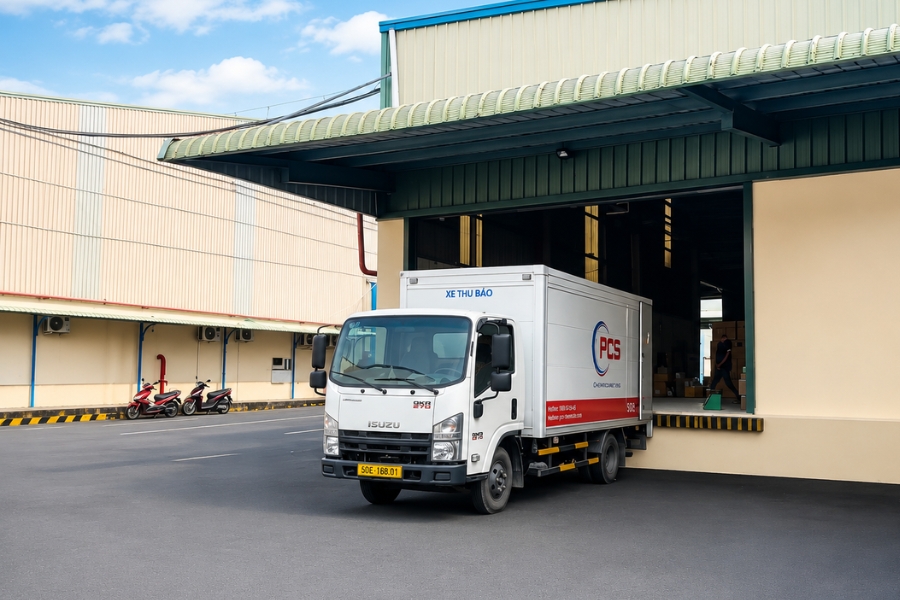
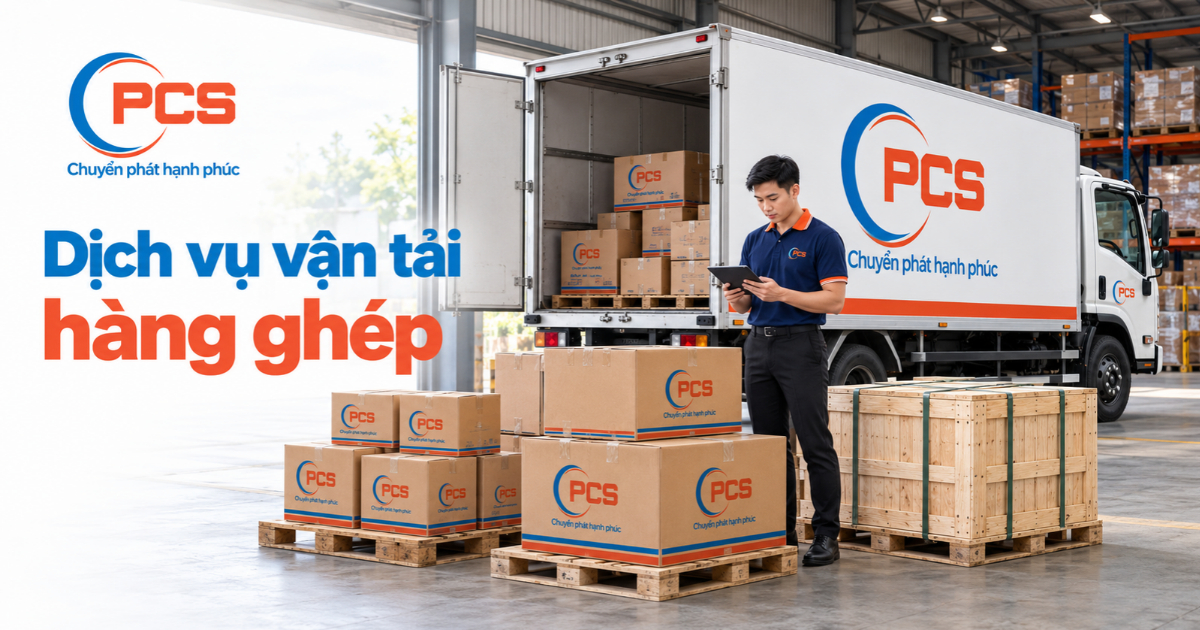
Full truckload transportation supports goods transfers between factories and distribution warehouses.
3. How PCS Logistics selects vehicles, coverage, and delivery schedules
Planning dedicated truck transportation requires a balance between vehicle capacity, access to the pickup and delivery sites, and operating hours at both ends.
3.1. Selecting the vehicle for each shipment
With PCS Logistics Full Truckload Services, vehicle recommendations are based on shipment volume, packaging, and actual receiving conditions. Businesses should provide:
- Weight: Total cargo weight and weight of the heaviest package.
- Dimensions and volume: Packaged dimensions, particularly for long or tall items.
- Pallet count: Dimensions of each loaded pallet and stacking limitations.
- Cargo characteristics: Fragility, upright-only handling, or special storage requirements.
- Loading and unloading: Whether manual labor, forklifts, or other equipment is needed.
- Site access: Access roads, warehouse gates, and unloading space.
- Transport route: Pickup address, delivery address, and any requested stops.
Rated truck capacity alone is not enough to select a vehicle. Lightweight but bulky cargo requires adequate body space, while concentrated heavy loads need appropriate load distribution and handling equipment.
3.2. Full truckload shipping coverage
PCS Logistics arranges full truckload shipping services according to the conditions confirmed for each shipment. Businesses may submit requests for these route categories:
| Route category | Typical business need | What needs to be confirmed |
|---|---|---|
| Within a province or nearby area | Transfers between production sites and nearby warehouses | Vehicle access hours, dispatch and receiving schedules |
| Interprovincial | Material supply, finished-goods dispatch, regional inventory replenishment | Route, vehicle type, required arrival date |
| Northern, Central, and Southern Vietnam | Large shipments between regions | Departure schedule, road transit time, receiving plan |
| Factories / industrial parks – warehouses / DCs – business partners | Deliveries supporting a business supply chain | Booking appointments, delivery gates, handling, documentation |
PCS confirms the available coverage based on exact addresses, cargo types, and the proposed transport arrangement. Businesses that also need storage, order processing, and dispatch can explore B2B fulfillment services.
3.3. How are transit and delivery times determined?
With full truckload shipping, the delivery schedule must cover cargo collection, truck loading, road transit, and completed handover.
| Factor | Impact on transit or delivery time |
|---|---|
| Pickup schedule | Cargo readiness and loading completion time |
| Shipping route | Travel distance, traffic, and road access restrictions |
| Destination conditions | Receiving hours, appointments, and warehouse entry procedures |
| Unloading and handover | Waiting, unloading, counting, and signing time |
The timeline must be confirmed for each trip. Booking time, cargo readiness, road conditions, receiving appointments, and traffic restrictions all affect the final schedule.
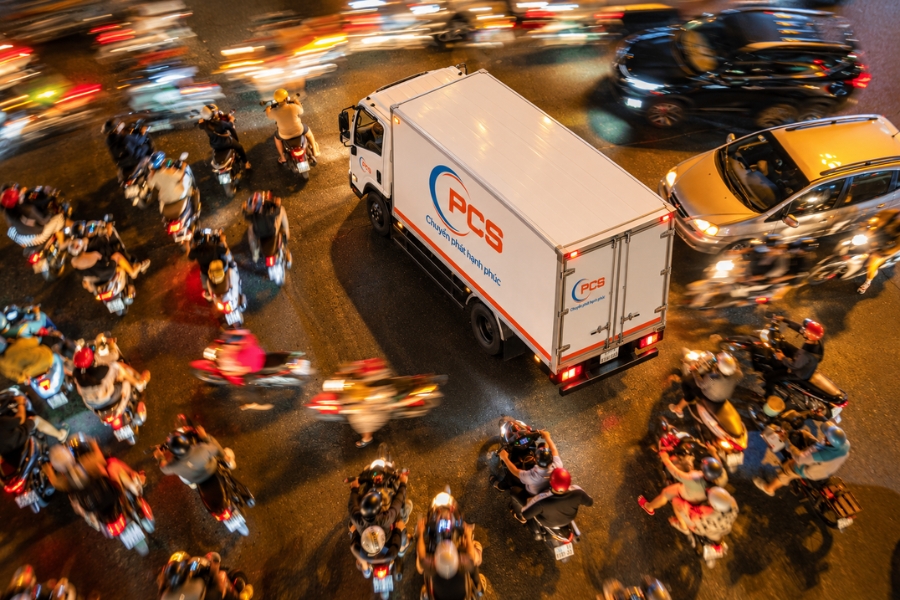
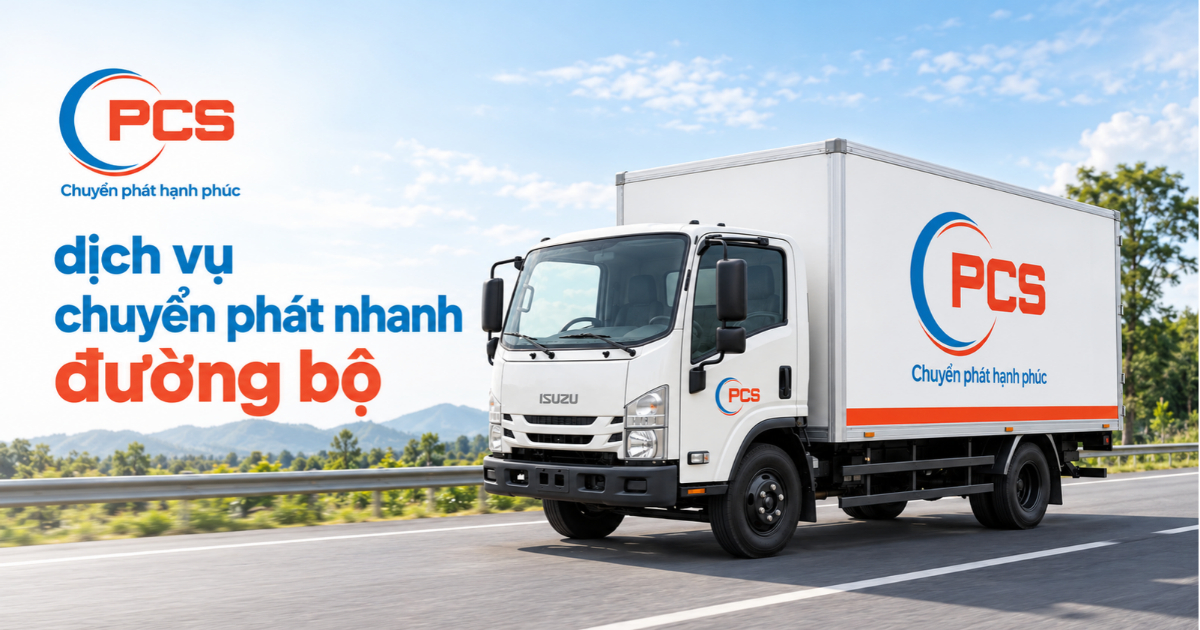
Dedicated truck transport costs depend on the route, vehicle type, and pickup and delivery requirements.
4. How are dedicated truck transportation costs calculated?
The price of full truckload freight is based on the vehicle and the work required for the trip. Two shipments of identical weight can have different prices because their routes, cargo dimensions, or receiving requirements differ.
4.1. Factors affecting the quotation
- Route and distance: Actual addresses, access route, and any additional stops.
- Vehicle type: Load capacity, cargo compartment dimensions, and suitability for the goods.
- Cargo characteristics: Packing method, stacking limits, protection, and securing requirements.
- Pickup and delivery sites: Number of stops, access conditions, and vehicle acceptance requirements.
- Timing: Collection schedule, receiving appointment, and handover deadline.
- Loading and waiting: Labor, handling equipment, and vehicle waiting time.
- Additional work: Packaging, returns, redelivery, or other agreed requirements.
For FTL freight, a quotation should clearly distinguish the trip rate, included services, and circumstances that may result in additional charges. This helps businesses control costs when operations change.
4.2. What should businesses check before confirming a price?
- Quotation scope: Whether taxes, loading, unloading, and work at both ends are included.
- Waiting time: Conditions and calculation method if the receiving site cannot unload as scheduled.
- Schedule changes: How additional stops, appointment changes, or redelivery are handled.
- Documents and payment: Required paperwork, reconciliation periods, and payment terms.
Send these details through PCS Logistics' contact channel or call 1900.545.428 to discuss the proposed trip and request a quotation. The PCS Logistics FTL Freight option should be assessed against the complete operating scope, not the vehicle rate alone.




5. Shipment organization and delivery control process
PCS coordinates full truckload shipping services through five stages, from receiving the request to delivery and document completion.
Step 1 – Receive the request and check shipping conditions: PCS records the cargo type, quantity, origin, destination, required schedule, and handling conditions. The team also checks purchase orders (POs), documents, and receiving-site procedures.
Step 2 – Plan the trip and allocate a vehicle: For PCS Logistics Full Truckload Shipping, both parties agree on the truck type, collection and delivery schedule, loading responsibilities, and contacts for coordination.
Step 3 – Collect and dispatch the goods: PCS checks quantities, visible condition, and shipping documents, then loads the goods according to their characteristics.
Step 4 – Monitor progress and handle exceptions: PCS updates transport progress and estimated arrival times, coordinating with the business if receiving appointments change, documents are missing, or unloading delays occur.
Step 5 – Deliver and finalize documents: PCS records quantities received, recipient information, and handover time; it compiles proof of delivery (POD), supporting documents, and any discrepancies for reconciliation.
For deliveries to production sites, businesses can also review PCS Logistics' B2B distribution support for factories and industrial parks.

Dedicated truck transport costs depend on the route, vehicle type, and pickup and delivery requirements.
6. PCS Logistics' dedicated truck operating capabilities
When selecting a provider of full truckload shipping services, businesses should assess how trips are scheduled, how shipment progress is communicated, and how delivery records are completed. PCS Logistics supports these requirements through the following operations.
6.1. Vehicle dispatch and recurring transport plans
PCS organizes dedicated truck trips and recurring routes for B2B shipping needs. Businesses with regular goods flows can agree on periodic schedules and update expected volumes ahead of each shipment to help determine the vehicle required.
A recurring plan should also specify the request deadline, volume confirmation time, and procedure for production schedule changes. These details support consistent coordination across multiple trips.
6.2. Warehouse network and management systems
PCS Logistics operates 8 warehouses with approximately 20,000 m² of combined space in key regions, including Hanoi, Da Nang, and Southern Vietnam. The network connects transportation with storage, order processing, and distribution. PCS also uses OMS/TMS for order, transport, and dispatch management, while its Customer Portal supports shipment tracking and reporting.
For PCS Logistics FTL Shipping, the parties should agree on update channels, notification milestones, and handover data. If storage is needed before or after transport, warehouse scope and pricing are confirmed separately.
6.3. B2B delivery control experience: Hoa Phat case study
For household appliance and refrigeration product distribution for Hoa Phat, PCS coordinated checks on purchase orders, models, quantities, receiving locations, and appointments. Vehicles were arranged according to the plan, while delivery progress, on-site exceptions, and post-handover documents were monitored for reconciliation.
This case illustrates PCS Logistics' experience handling B2B delivery requirements and documentation. It is an operational reference, not a guarantee of identical outcomes for every dedicated truck shipment.
For businesses, effective FTL Logistics planning links dispatch timing, receiving conditions, and reliable handover records. Depending on the requirements, PCS can coordinate FTL services with warehousing, fulfillment, and distribution to support the movement of goods from factory to market.
Need full truckload shipping services for a one-off consignment or a regular route? Share the pickup and delivery locations, cargo type, quantity, dimensions, and proposed schedule with PCS Logistics at 1900.545.428. The team will review a dedicated-vehicle arrangement and provide a quotation based on your shipment requirements.