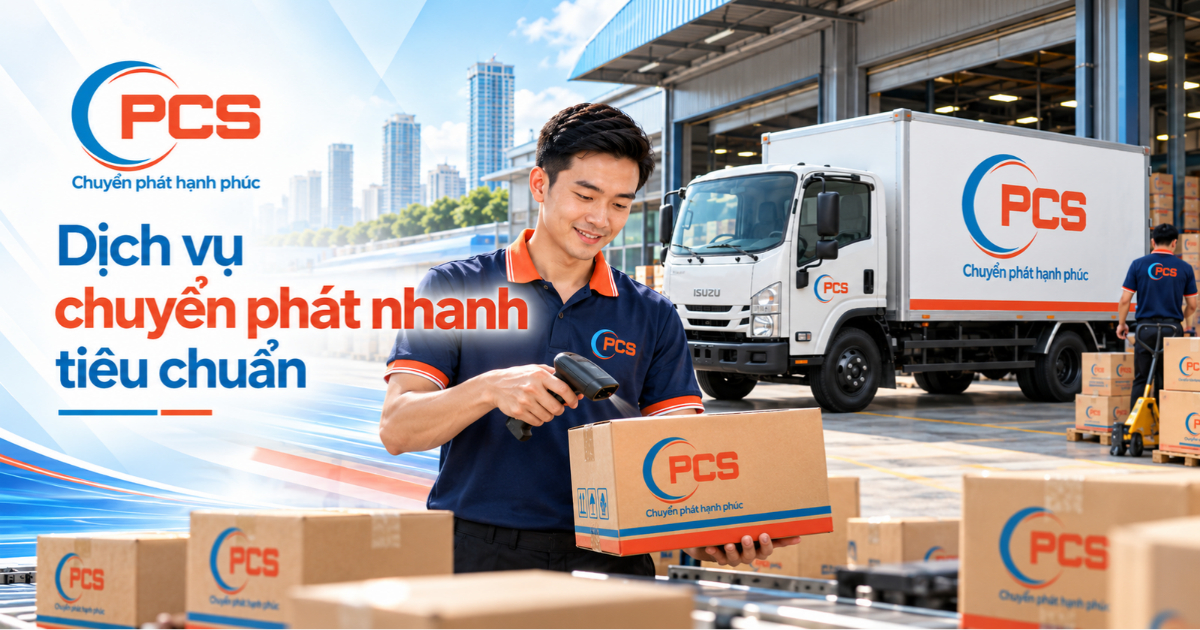

Shipping goods from a warehouse to a factory or business partner requires a balance of delivery deadlines, costs and handover conditions. With its road express service, PCS Logistics works with businesses to select a shipping arrangement based on the route, parcel specifications and the recipient's receiving schedule. Providing complete details from the outset makes it easier to plan the shipment, obtain a quotation and prepare the goods.
1. When is road express service the right choice?
Common business needs include:
- Replenishing a partner's inventory: Deliver parcels for customer orders or to replace stock shortages.
- Moving goods between warehouses and factories: Transport materials, components or finished products according to a planned schedule.
- Sending orders regularly: Maintain recurring deliveries without arranging a dedicated vehicle for every shipment.
To choose a suitable option, businesses should identify the goods, required delivery date, pickup and delivery addresses, and budget. PCS uses these details to assess whether the service matches the shipment's requirements.
| Shipping option | Suitable need |
|---|---|
| Road express delivery | Parcels with deadlines that fit scheduled road transport operations |
| Economy delivery | Flexible delivery dates with an emphasis on cost |
| Full truckload transport | A dedicated vehicle is needed due to shipment volume or transport schedule |
| Priority or urgent delivery | Delivery is needed sooner than the road service can accommodate |
For heavy goods, large parcels or pallets, businesses should also share photos, dimensions and loading or unloading requirements. This helps PCS check acceptance conditions or recommend a more suitable freight option.
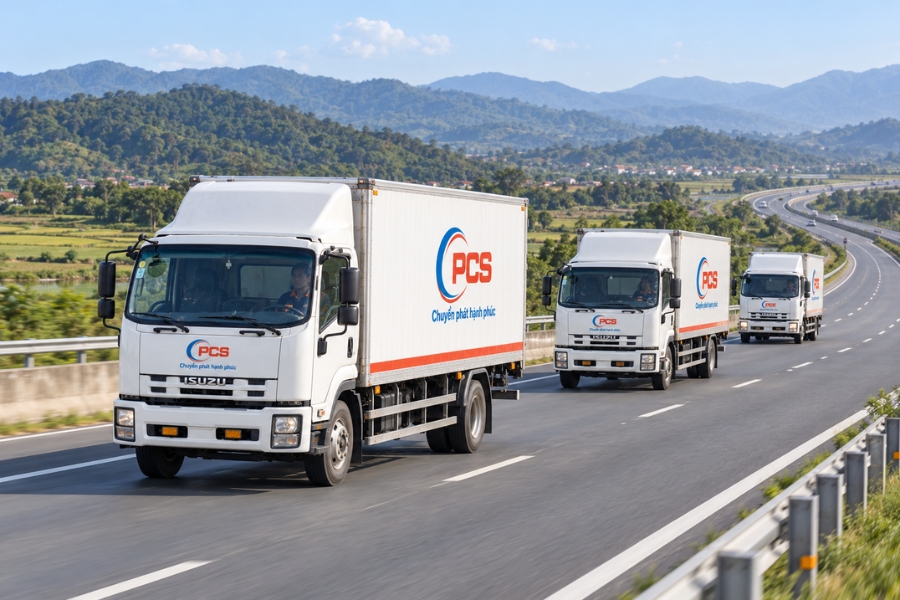
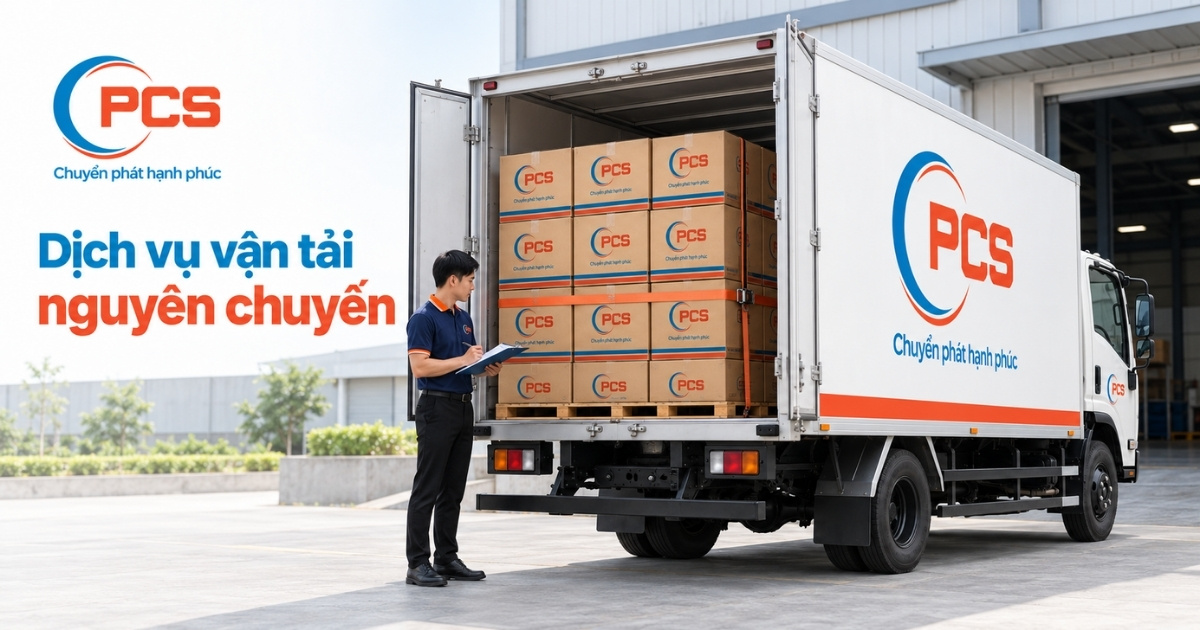
PCS Logistics receives goods for standard express delivery.
2. What types of goods does PCS Logistics accept for road delivery?
To assess shipment eligibility, PCS needs the cargo type, weight, packed dimensions and storage or handling requirements. For multi-parcel shipments, businesses should provide the following information:
| Goods category | Preparation requirements | Information to provide |
|---|---|---|
| Commercial goods and boxed finished products | Packaging suitable for the weight, with contents secured against movement | Goods description, parcel count, weight and dimensions |
| Accessories and components | Cushioning and protection suited to the product | Material, fragility and goods value |
| Production materials | Secure packaging that prevents leaks | Cargo characteristics, photos and storage requirements |
| Multi-parcel shipments or large packages | Number each parcel and provide packaging photos | Details of each parcel and loading/unloading conditions |
Before arranging road shipments, businesses should check:
- Dimensions and weight: Measure and weigh every parcel after packaging.
- Packaging: Protect the contents and prevent packages from opening or leaking.
- Parcel labels: Clearly show recipient information and parcel numbers for multi-parcel consignments.
- Cargo characteristics: Declare fragile, high-value or specially handled goods in advance.
- Documents: Prepare paperwork appropriate to the goods and handover requirements.
For batteries, liquids, chemicals or goods with special characteristics, share the product information before dispatch. PCS must check the applicable acceptance conditions to determine a suitable arrangement.
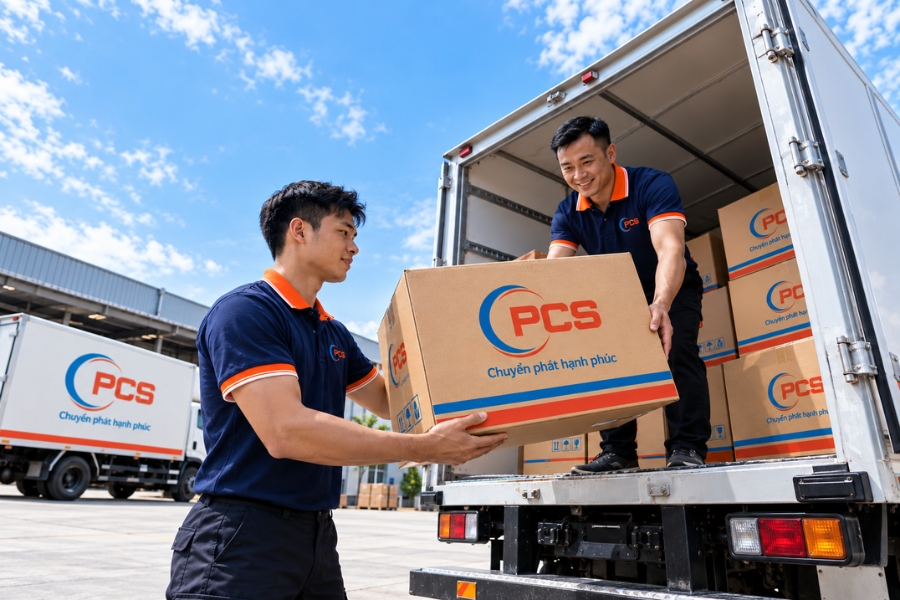
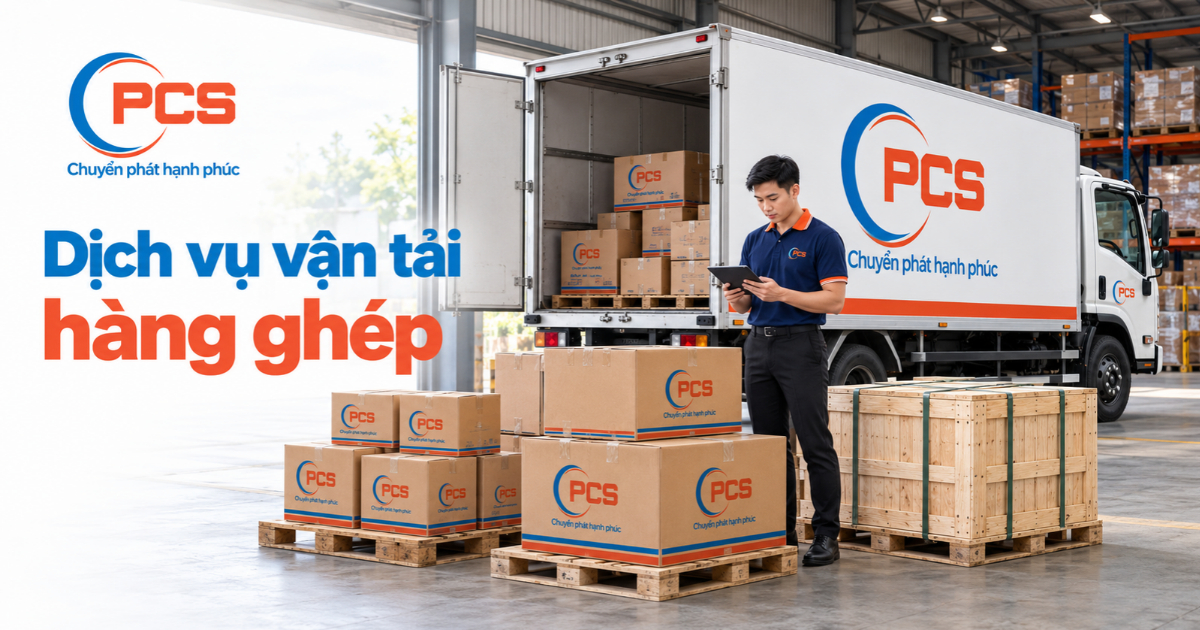
Check packaging specifications and cargo acceptance conditions before road transportation.
3. Pickup and delivery coverage and road transit times
PCS confirms pickup and delivery coverage and estimated transit times according to the collection address, destination and required delivery date. Businesses should provide these details so PCS can check the route, schedule collection and agree on the handover arrangement. PCS Logistics Road Express Service is assessed against the actual conditions of each shipment.
3.1. Service routes and pickup and delivery arrangements
When submitting a request, specify:
- The pickup address or proposed handover point.
- The delivery address and receiving contact.
- The date the goods will be ready and the required delivery deadline.
- Site access, parking, loading and unloading conditions.
- Any appointment or documentation requirements at the destination.
For warehouses, factories and industrial parks, provide receiving hours, registration procedures and the responsible contact in advance. Checking these conditions alongside the route helps avoid situations where a shipment arrives but cannot be handed over.
3.2. Estimated transit times and applicable conditions
Transit time depends on the route, when PCS receives the shipment and the delivery address. If there is a fixed deadline, tell PCS when requesting advice. The following estimates for road express service are subject to confirmation for the shipment concerned.
| Route category | Estimated transit time | Applicable conditions |
|---|---|---|
| Within a province or city | 1.5–2 days | Pickup and delivery addresses, acceptance cutoff and delivery coverage |
| Between provinces within a region | 2–4 days | Operating schedule, handover time and working days |
| Between regions / North–South | 3–5 days | Specific route, collection/delivery points and connection schedule |
| Remote destinations or locations with separate receiving schedules | Contact PCS for assistance | Accessibility and receiving schedule |
Before shipping, confirm when transit time starts, the acceptance cutoff and how working days are counted. Shipments handed over after cutoff or delivered to locations with restricted receiving windows require a revised estimate.

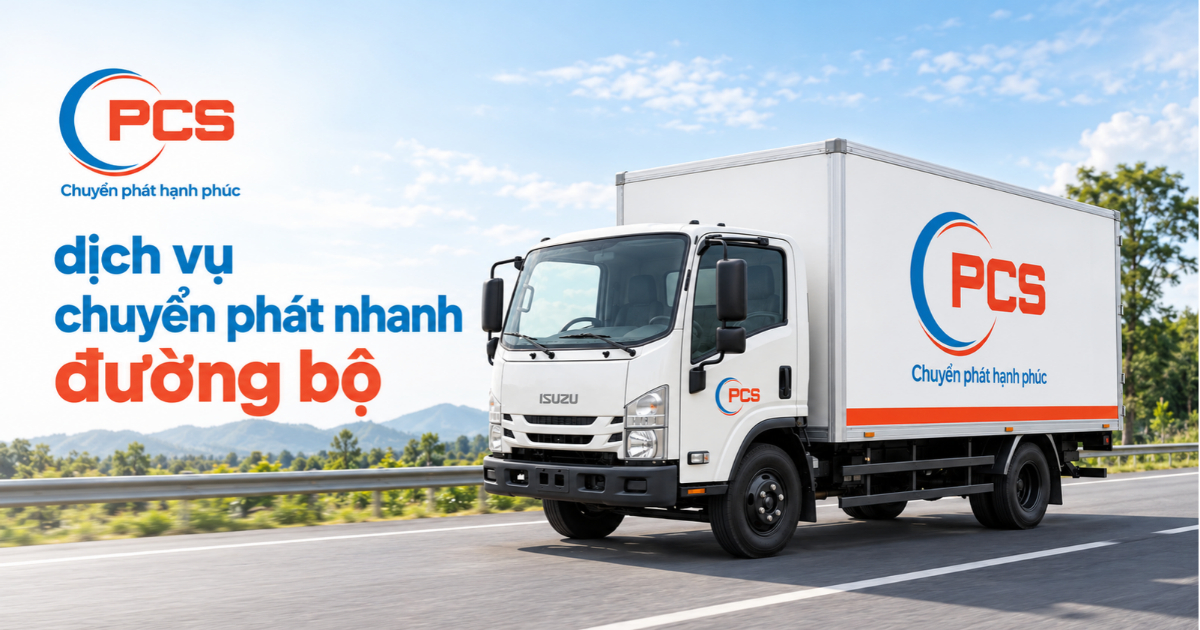
Road express transit times depend on the route and pickup and delivery conditions.
4. How is road express service pricing calculated?
To quote for road express service, PCS needs the route, parcel details and pickup and delivery requirements. Weight is an important factor, while packed dimensions are also needed to determine the applicable charge.
Key factors include:
- Pickup and delivery addresses: Determine the route and service coverage.
- Weight and dimensions: Check actual and volumetric weight.
- Parcel count: Review the characteristics of each parcel in the consignment.
- Additional requirements: Check charges for packaging, loading/unloading or related services.
- Shipping frequency: Identify one-off, batch or regular shipments.
- Quotation scope: Clarify VAT and any other applicable charges.
Light but bulky items may be charged based on volumetric weight. Provide dimensions after packaging for a more accurate quotation.
To request a quotation, prepare:
- Pickup and delivery addresses.
- Goods description, parcel count, weight and dimensions of each parcel.
- Date the goods will be ready and required delivery deadline.
- Receiving schedule, loading/unloading conditions and documentation.
- Whether the shipment is one-off or recurring.
If final dimensions are not yet available, photos and packaging details can be used for an initial discussion. Final charges must be confirmed using the actual shipment data and service conditions. Businesses comparing a road express delivery service with other transport options should confirm the full quotation scope.




5. Shipment booking, tracking and delivery confirmation at PCS
PCS follows a streamlined, transparent process from receiving a request through post-delivery reconciliation, so customers can monitor the shipment:
- Receive the request: Collect goods details, parcel count, pickup and delivery addresses, and required delivery date.
- Plan and confirm the service: Agree on the pickup and delivery schedule, estimated transit time, charges and additional requirements.
- Collect the goods: Pick up as scheduled and check parcel count, packaging condition and handover documents.
- Transport and hand over: Move the goods under the agreed arrangement, deliver to the recipient and record the handover outcome.
- Reconcile: Verify orders, charges and documents, and complete payment as agreed.
This process helps customers using PCS Logistics Road Express Delivery establish what will be checked at each stage.

PCS Logistics checks parcel information and order-processing steps during express delivery operations.
6. How does PCS help businesses control delivery quality?
PCS Logistics manages delivery quality through centralized operations, shipment-management systems and services that support checks at handover. Businesses can monitor progress, review delivery results and use recorded information to address exceptions. These controls are relevant when evaluating recurring business shipments.
- Order management through OneShip: Businesses can create orders, track delivery status and manage complaints in one system. The dashboard shows order volumes, successful delivery rates and cash-on-delivery (COD) information, helping teams review performance without consolidating updates from multiple channels.
- Fewer intermediate transfers: PCS organizes the flow of goods from senders to an operating center and then to delivery points, reducing transfers at local post offices. This limits intermediate handovers and makes shipment progress easier to monitor.
- Cargo protection and inspection at delivery: PCS offers packaging services suited to different goods and inspection-on-delivery when requested. Inspecting goods together with the recipient helps document their condition at handover and provides a clearer basis for reviewing discrepancies or complaints.
- Support for changes during delivery: Customer service handles requests via hotline, email and Zalo and assists with address or delivery-time changes subject to actual conditions. Businesses have a contact channel when receiving arrangements change.
- Reconciliation and issue resolution: For COD shipments, PCS reconciles and remits collections according to the agreed schedule. Its published compensation policy specifies principles, complaint deadlines and responsibilities for loss, damage or delays attributable to PCS. Insurance support may be arranged for high-value goods upon request.
By combining waybill data, cargo-handling processes and delivery confirmation, PCS helps businesses monitor both shipping progress and outcomes. The scope of inspection-on-delivery, packaging, insurance and reconciliation schedules is agreed according to each customer's needs. The PCS Logistics Road Delivery Service name refers here to the road-based delivery offering described in this article; specific supporting options remain subject to confirmation.
Road-based express delivery suits businesses shipping goods between provinces or delivering to warehouses, factories and partners on a planned schedule. With a defined handover process, the OneShip management system and post-delivery tracking and reconciliation, PCS Logistics helps businesses manage transit progress, costs and delivery outcomes. For companies considering domestic road delivery, route details and receiving requirements should be confirmed before booking.
If your business needs a road-based shipping option suited to its shipment requirements, contact PCS Logistics at 1900.545.428 for advice on the transport arrangement, transit time and route-specific quotation. Businesses can also discuss the PCS Logistics Road Courier Service option based on shipment characteristics and applicable acceptance conditions.