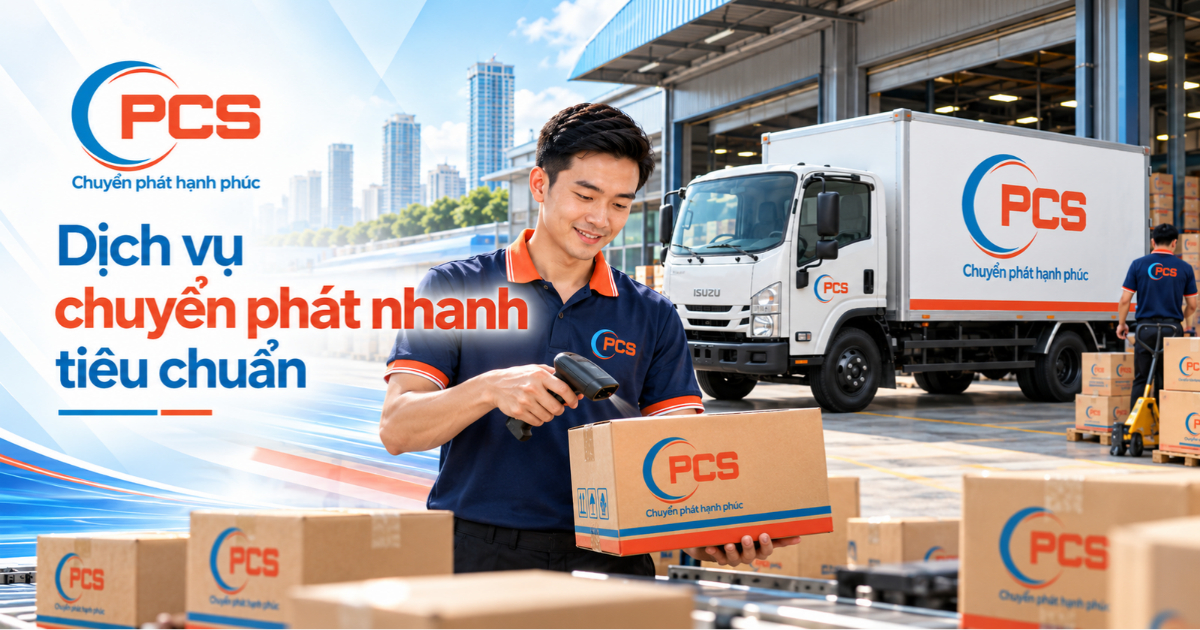

PCS Logistics provides Industrial Zone Express for shipping components, materials, product samples and documents between suppliers, factories and manufacturing partners across Vietnam. Delivery arrangements account for the specific receiving procedures at industrial parks, including appointment slots, handover requirements and shipping schedules. This helps businesses coordinate deliveries with their supply operations.
1. What is express delivery to industrial zones?
A successful express shipment to an industrial park depends on five key details:
- Correct delivery point: Identify the exact factory, delivery gate, warehouse or receiving department.
- Confirmed receiving schedule: Coordinate with working hours, inbound warehouse slots and any required delivery booking.
- Correct recipient: Verify the contact person and department responsible for accepting the shipment.
- Required documents: Prepare purchase orders (POs), delivery notes, packing lists and any other stipulated paperwork.
- Site entry compliance: Meet factory requirements for vehicle and driver registration and security checks.
For manufacturers, delivery timing directly affects inbound storage, quality inspection and material allocation. Confirming the receiving conditions early helps reduce waiting time, repeat delivery attempts and last-minute changes.

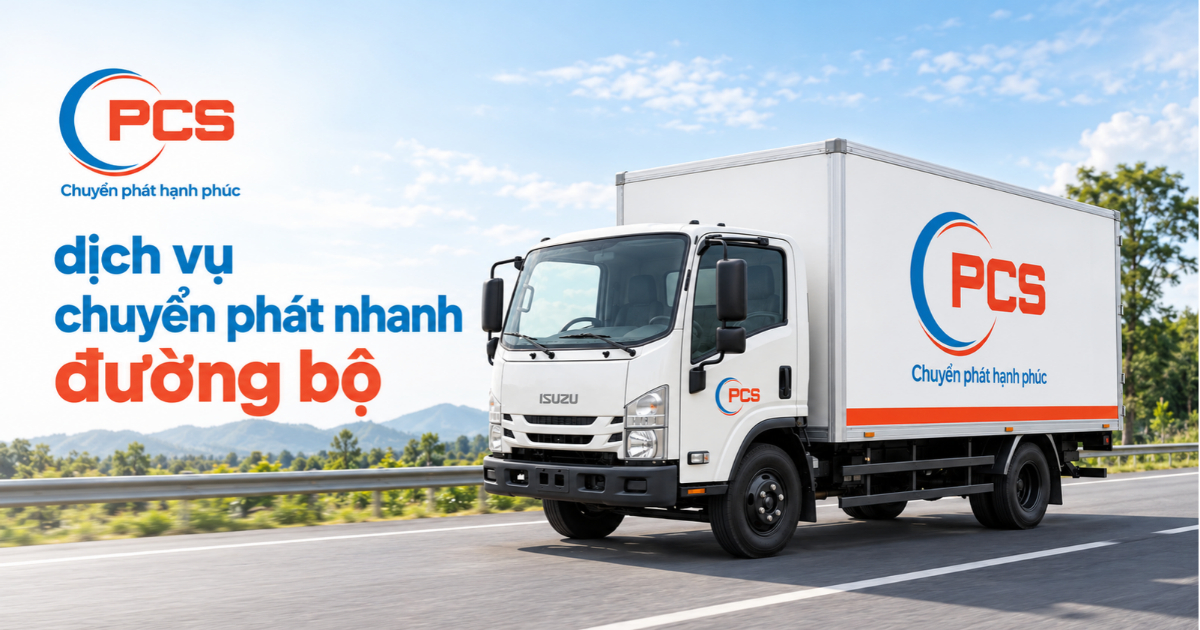
Dedicated industrial park transport routes connect factories on a stable delivery schedule.
2. How does PCS Logistics deliver express shipments to factories and industrial parks?
PCS Logistics organizes its Industrial Zone Express operations in three stages: preparing for delivery, coordinating transportation and completing the handover at the factory.
2.1. Before dispatch
PCS collects shipment information, checks the route and clarifies delivery requirements before arranging transportation.
- Confirm the destination: Check the industrial park and factory names, full address, receiving gate and contact person.
- Verify receiving hours: Establish the delivery date, inbound receiving window and advance booking requirements.
- Review entry procedures: Record requirements for vehicle and driver registration, bookings, POs and supporting documents.
- Assess the shipment: Check package count, weight, dimensions and packaging to choose an appropriate shipping arrangement.
Where a factory follows its own receiving procedures, PCS works with the customer to prepare the necessary information before confirming the delivery schedule.
2.2. During transportation
PCS moves shipments according to the agreed route and operating schedule and provides progress updates so businesses can coordinate with the receiving team.
- Track shipment progress: Update waybill status and estimated arrival time.
- Coordinate delivery slots: Communicate when a factory changes its inbound warehouse time or receiving appointment.
- Handle changes: Record revisions to the recipient, location or handover requirements.
- Support coordination: Keep relevant contacts aligned on how to resolve delivery issues.
These updates help procurement, warehouse and production planning teams arrange staff, inspect incoming goods and complete the next steps on schedule. Courier deliveries to industrial sites are most useful when shipment updates are aligned with the factory's actual receiving requirements.
2.3. At the factory
PCS delivers to the location and under the receiving conditions agreed with the customer.
- Arrive at the correct point: Bring the shipment to the designated gate, warehouse or receiving department.
- Verify handover details: Check the recipient, order reference and package count against the delivery instructions.
- Obtain delivery confirmation: Collect signatures, delivery notes or proof of delivery (POD), as agreed.
- Update the outcome: Record the delivery status and any issues identified during receipt.
If the factory changes its receiving schedule, assigns a new contact or requests additional paperwork, PCS coordinates with the customer to review the next steps and update the delivery plan.
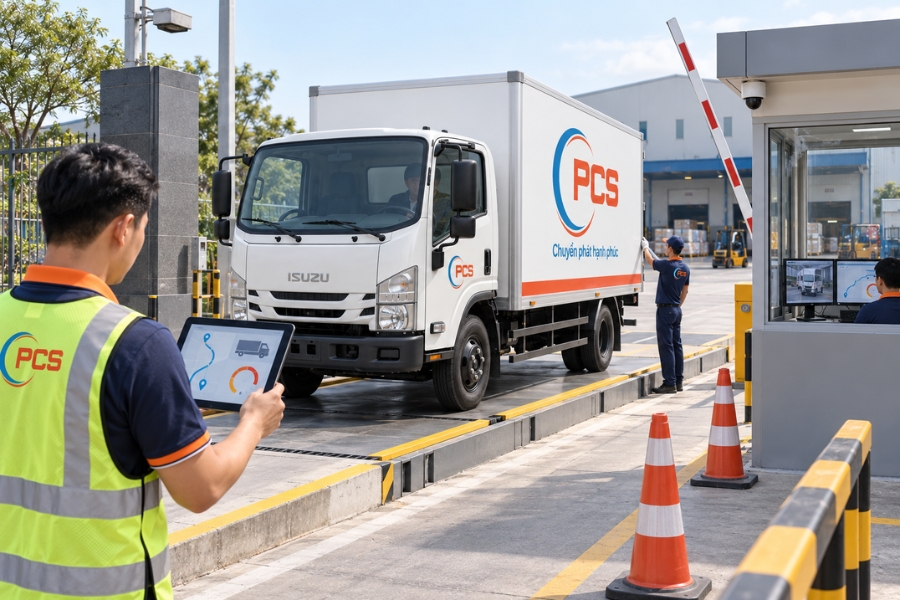
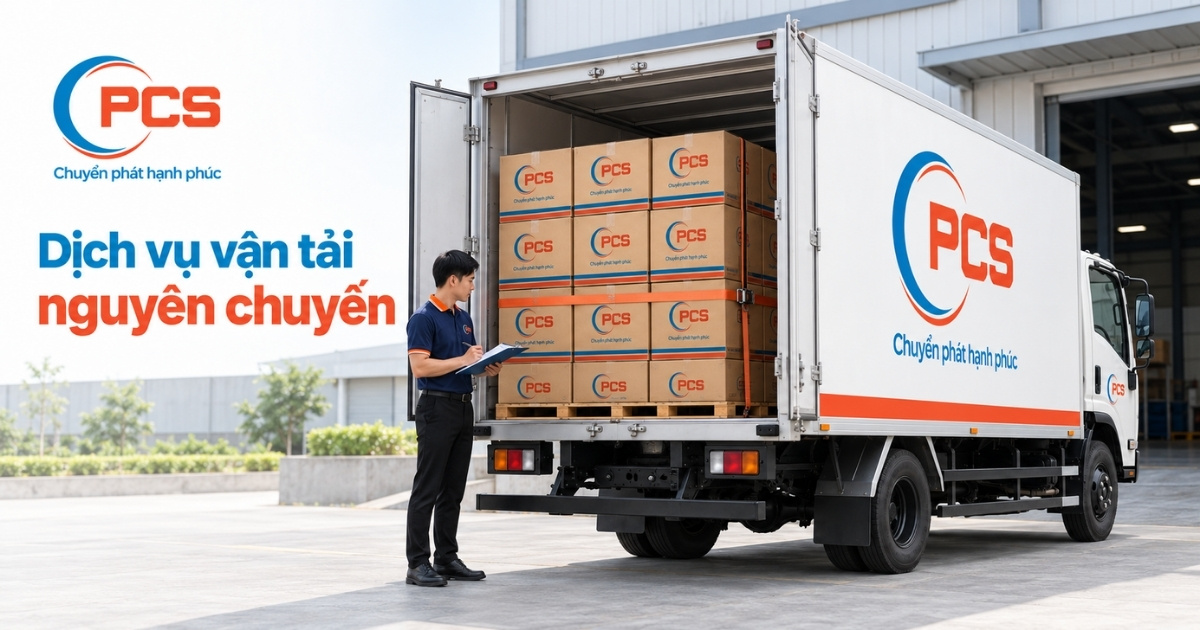
PCS Logistics coordinates delivery schedules and receiving requirements at factories.
3. When should businesses choose industrial park express delivery?
Industrial Zone Express is suited to parcels and small to medium-sized consignments that have defined receiving locations and delivery requirements. It serves both recurring shipments and additional deliveries arising from procurement, maintenance or transfers between manufacturing sites.
3.1. Suitable types of goods
- Components and spare parts: Electronic components, mechanical accessories and replacement parts for maintenance and production.
- Production supplies: Consumables, tools, packing materials and replenishment goods.
- Product samples: Product, laboratory, quality-control and technical testing samples.
- Documents: Contracts, technical documentation, acceptance records and paperwork requiring direct handover.
Acceptance conditions depend on the nature of the goods, packaging, weight and the operating capabilities of the route. Manufacturing delivery services should be arranged only after these details are checked.
3.2. Suitable shipping needs
- Unplanned replenishment: Additional parts, materials or components needed outside the regular supply schedule.
- Regular deliveries: Suppliers sending small consignments to factories daily or weekly.
- Time-sensitive shipments: Samples, components and documents with specific delivery deadlines.
- Transfers between facilities: Movement of goods between a central warehouse, office, factory or another production site.
For suppliers with many smaller shipments, parcel-based industrial express delivery supports frequent dispatches without arranging a separate vehicle for every consignment.
3.3. When is dedicated industrial park transportation more appropriate?
Dedicated industrial park freight transportation should be considered for shipments involving:
- Palletized goods or cargo with substantial weight or dimensions.
- Large numbers of packages requiring a vehicle with suitable carrying capacity.
- Dedicated vehicles, fixed schedules or specialized loading and unloading.
- High-volume recurring transportation between factories, warehouses and distribution centers.
Choosing between parcel express shipping to factories and dedicated freight transportation depends on consignment size, shipping frequency, deadlines and receiving conditions. Assessing these factors from the outset helps businesses choose an arrangement that matches their operating plans and budget.
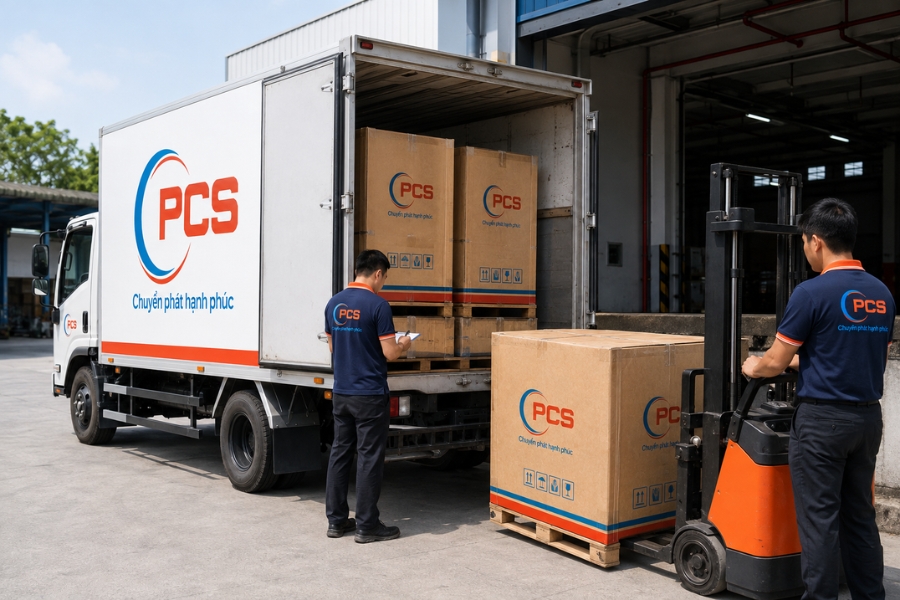
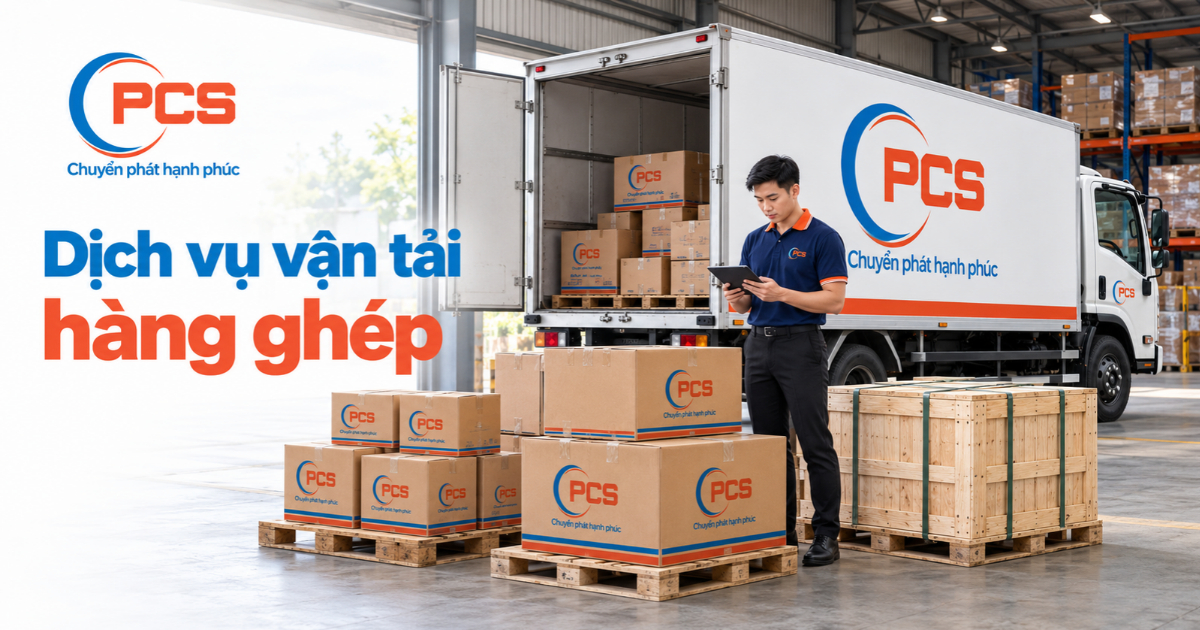
PCS Logistics selects packaging methods suited to different categories of industrial goods.
4. Estimated delivery times to industrial parks
Transit times for Industrial Zone Express depend on route distance, pickup timing, operating schedules and the factory's receiving conditions. Together, these determine both transportation time and when the receiving team can complete the handover.
Indicative transit times:
| Route category | Estimated time | Important conditions |
|---|---|---|
| Within a province or nearby area | 1.5–2.5 days | Pickup time and factory receiving window |
| Neighboring provinces | 2–3 days | Vehicle schedule, distance and factory delivery conditions |
| Between Northern and Central Vietnam or Central and Southern Vietnam | 2–3 days | Operating schedules, transfers and receiving bookings |
| Between Northern and Southern Vietnam | 3–5 days | Road transportation schedule and receiving time |
The main factors affecting these estimates are:
- Route distance: Time varies for local, interprovincial and interregional movements.
- Pickup time: Goods collected after the dispatch cutoff are scheduled for a later operating cycle.
- Vehicle schedule: Departure frequency, timing and transfer arrangements affect transit progress.
- Factory receiving hours: Inbound warehouse appointments determine when goods can be handed over.
- Gate access requirements: Vehicle registration, security checks and booking procedures add to the receiving process.
- Changes to receiving appointments: Adjustments to warehouse intake or production plans may shift the delivery time.
The times above are indicative. Confirm the applicable schedule for the specific shipment and receiving location before dispatch.
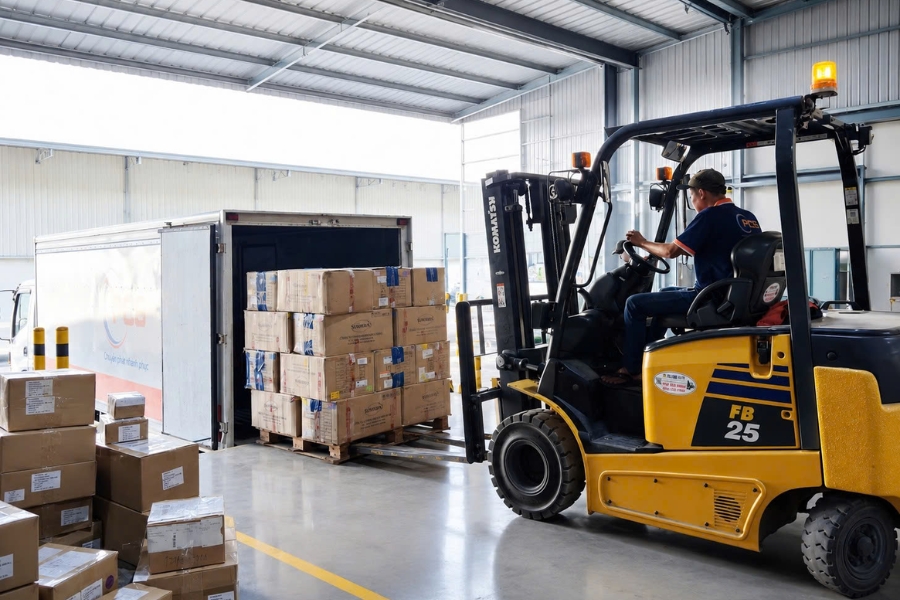
Loading conditions and factory receiving schedules directly affect delivery times.
5. PCS Logistics' capabilities for industrial park deliveries
PCS Logistics has developed a delivery network serving manufacturers, suppliers and industrial supply-chain partners. Its operations combine domestic express shipping, road freight and logistics solutions connecting factories, warehouses and industrial parks throughout Vietnam.
For customers seeking PCS Logistics Industrial Zone Express, these capabilities include:
- Nationwide logistics network: PCS Logistics operates 8 warehouses with a combined area of approximately 20,000 m², supporting cargo handling, movement and distribution between industrial centers across Vietnam.
- Experience with industrial goods: Transportation of components, spare parts, materials and other production-related cargo, subject to the applicable shipping conditions.
- Shipment status visibility: Online tracking helps businesses check shipment progress and current status.
- Delivery arrangements based on actual needs: Pickup and delivery points, receiving schedules, goods characteristics and shipping frequency are reviewed when planning transportation.
- Coordination when issues arise: Information is shared among dispatch teams, customers and receiving contacts so the delivery plan can be adjusted.
- Integrated B2B logistics options: Express shipping, road freight, distribution logistics, warehousing and fulfillment can be combined according to business needs.
PCS Logistics has handled industrial goods for manufacturers including VinFast and An Phat Bioplastics, as well as other industrial-sector partners. This experience supports its work with factory and industrial park deliveries.
Depending on shipment requirements, customers can discuss PCS Logistics Industrial Courier Services for parcel movements, PCS Logistics Industrial Delivery Services for delivery coordination, or a combination of express shipping, dedicated industrial routes and distribution logistics for recurring freight flows. The appropriate combination depends on shipment volume, routes and factory receiving requirements.

PCS Logistics combines express shipping and road freight to serve industrial park supply chains.
6. What information should businesses provide for a route assessment?
To check availability for Industrial Zone Express, PCS Logistics needs details about the route, goods and receiving procedures at the factory.
- Pickup point: Industrial park or factory name, full address and applicable gate.
- Goods description: Components, materials, samples, documents or another specific category.
- Shipment specifications: Package count, weight, dimensions and packaging requirements.
- Pickup and delivery timing: Planned dispatch date, requested delivery date and receiving window.
- Recipient: Contact name, receiving department and contact details.
- Special requirements: Delivery booking, PO, vehicle registration, supporting documents or particular handover conditions.
For regular deliveries, include average shipment volume, dispatch frequency and the receiving schedule at each factory. This helps PCS evaluate an appropriate operating arrangement, coordinate transportation and plan longer-term deliveries.
Services described as courier services for manufacturers or a factory courier service require the same level of destination and receiving detail, particularly when access is controlled by the industrial park or the factory.
7. Important considerations for dedicated industrial park transportation
To support continuity across industrial supply chains, businesses should pay attention to these requirements when preparing industrial goods for transportation:
- Packaging standards: Heavy machinery and materials may need to be secured to pallets or packed in wooden crates, where suitable, to protect the cargo and support mechanical handling.
- Transport documents: Prepare invoices or internal stock-release and transportation documents, as applicable, to support lawful movement and industrial park gate procedures.
- Technical specifications: Provide accurate package dimensions and weight so PCS can assign an appropriate vehicle and comply with applicable load and size restrictions.
- Pickup and delivery windows: Check each factory's inbound warehouse hours and any truck access restrictions so PCS can plan the route and reduce waiting time.
PCS staff can advise on packaging and securing goods in line with shipment requirements. When deliveries are recurring or require a dedicated route, the aim is to organize an arrangement that balances operating stability, shipping cost and the recipient's conditions.
PCS Logistics Express Delivery to Factories focuses on coordinating the shipment with factory receiving requirements. For large or regular freight movements, PCS Logistics Factory Delivery Service can be discussed alongside dedicated transport options. The final method should be selected according to the actual goods and route conditions.
Businesses needing delivery coordination at industrial sites or a domestic road delivery solution for industrial sites should share the shipping route, cargo details and receiving schedule. PCS Logistics can then check route availability, provide an indicative delivery time and recommend an appropriate arrangement.
For business-to-business Industrial Zone Express inquiries, contact PCS Logistics at 1900.545.428 or use the contact section below.