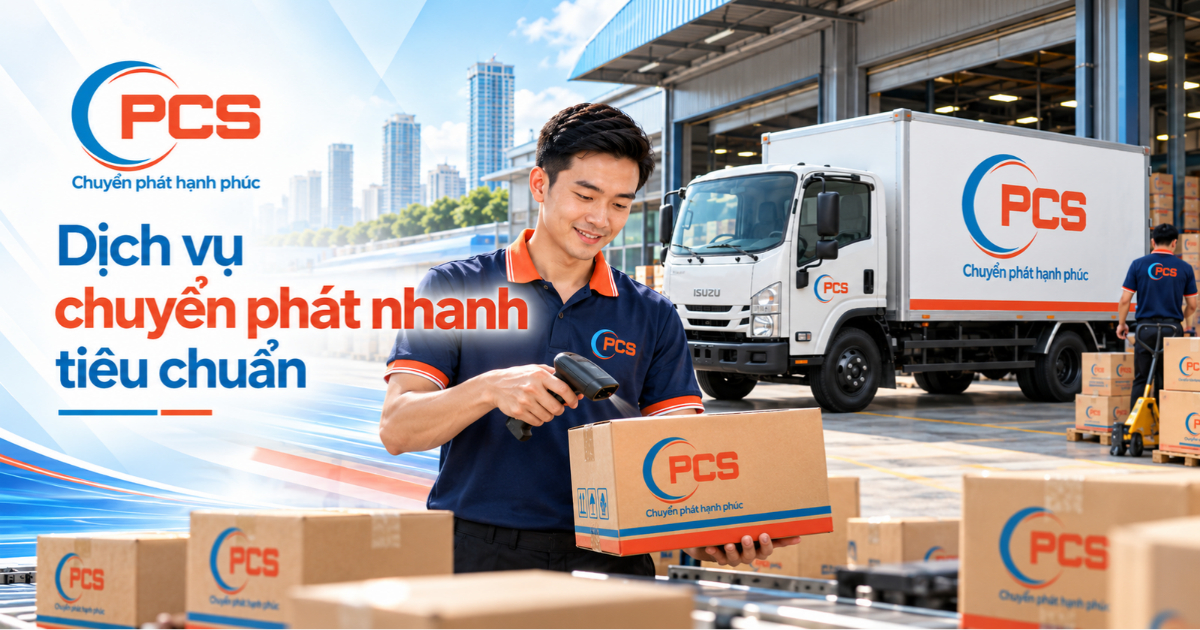

PCS Logistics provides North-South linehaul services for manufacturing, trading and distribution businesses across Vietnam. The service supports the movement of raw materials, finished products, machinery and palletized goods between factories, warehouses and dealer networks. Depending on shipment volume, dispatch schedules and receiving requirements, PCS arranges less-than-truckload (LTL), full-truckload (FTL) or dedicated industrial-route transportation. Businesses can share their shipment details and required delivery date to receive advice on a suitable plan and quotation.
1. Which businesses benefit from North–South freight transportation?
North-South linehaul transportation refers to the road movement of goods between provinces and cities along Vietnam's North–South corridor. It supports the transportation of raw materials, machinery, equipment, commercial goods and manufactured products, from consolidated loads and pallet shipments to full-truckload consignments.
At PCS Logistics, these services serve businesses moving goods over long distances between provinces, with deliveries planned around production schedules, inventory replenishment or market distribution. Common requirements include:
- Raw material supply: Transporting materials, packaging, components and supplies from vendors to factories according to production plans.
- Finished goods transfers: Moving stock between factories, central warehouses and distribution centers (DCs) to balance inventory across regions.
- Distribution to dealers and resellers: Delivering commercial goods from central warehouses to dealers, showrooms and retail outlets based on purchase orders and receiving schedules.
- Carton, parcel and pallet transportation: Handling goods packed in cartons, crates or on pallets, with vehicles and loading arrangements matched to shipment specifications.
- Industrial machinery and equipment: Moving machinery, components and materials between factories and industrial parks with appropriate load securing.
- Recurring or ad hoc shipments: Organizing deliveries for regular dispatch schedules, seasonal increases in volume or unexpected replenishment needs.
When choosing a North–South shipping arrangement, consider the total weight, dimensions, cargo characteristics and delivery conditions. FTL is often more appropriate for shipments that take up considerable vehicle space, include heavy packages or require more control over pickup and delivery times. Documentation, receiving contacts and reconciliation requirements should also be agreed in advance.
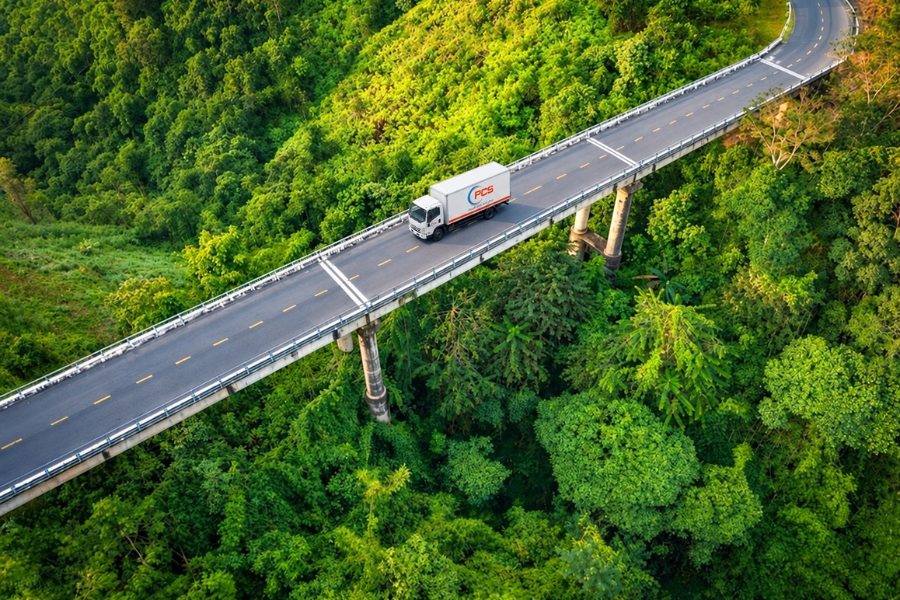
Shipping demand between industrial parks creates a need for transport solutions along established routes.
For example, when transferring finished goods from a factory to a DC, the sender should identify the number of pallets, when the goods will be ready, the DC's receiving schedule and whether lifting equipment is available at both ends. These details are more useful for choosing a transport plan than total shipment weight alone.
2. Road freight options for North–South shipments at PCS Logistics
PCS Logistics organizes North-South linehaul services according to shipment characteristics and delivery requirements. LTL and FTL describe how vehicle capacity is used; palletization describes the packaging and handling format; and dedicated industrial-park routes address recurring factory-related movements. Businesses can combine these arrangements within a wider transport plan.
2.1. North–South less-than-truckload (LTL) shipping
Less-than-truckload (LTL) shipping suits consignments that do not require a dedicated vehicle. Under this arrangement, compatible shipments traveling in the same general direction share truck space and transport costs.
LTL is worth considering when:
- The volume per shipment does not justify using an entire truck.
- The goods are packed appropriately for shared loading and handling at consolidation points.
- The receiving schedule allows shipments to follow the route's dispatch timetable.
- Regular deliveries are required, with cost control as a priority.
Transit planning should account for collection, consolidation, handling at hubs and final delivery. When requesting linehaul services, provide the required arrival date so PCS can check connecting schedules and delivery feasibility.
2.2. North–South full-truckload (FTL) shipping
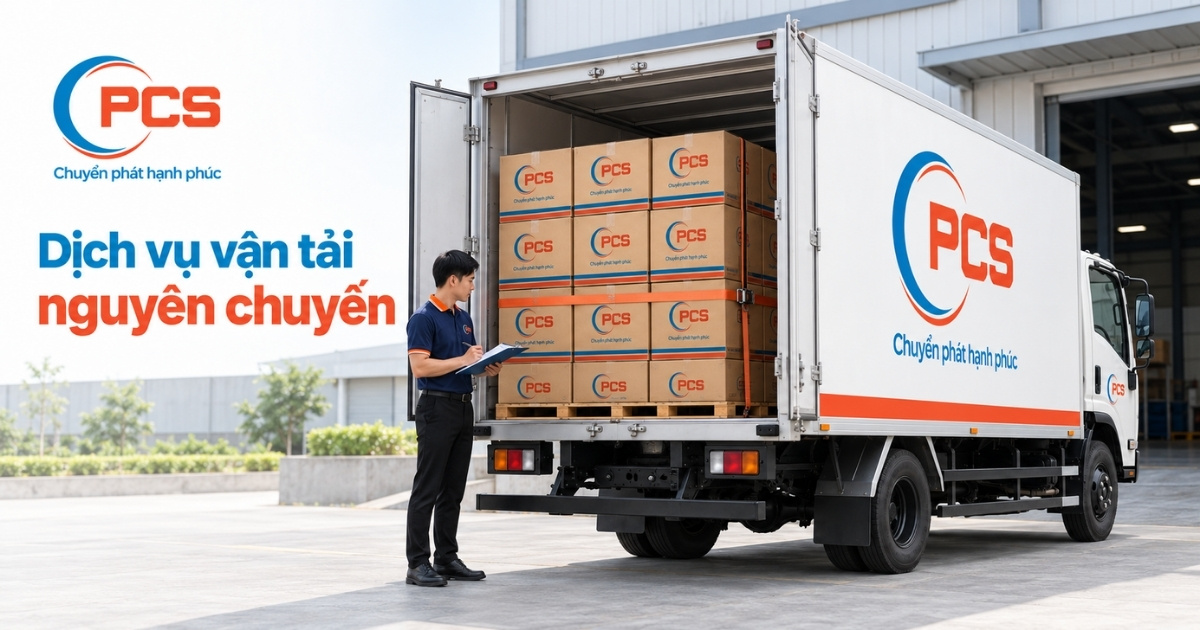
Full truckload (FTL) transportation uses a dedicated vehicle for one customer's goods without combining them with other customers' cargo. Businesses may choose FTL even without filling the truck to gain more control over collection times, vehicle loading arrangements and delivery schedules.
FTL is suitable for large shipments, multiple pallets, machinery or goods that should undergo fewer transfers between vehicles. Vehicle selection must account for both payload weight and usable cargo space. Lightweight but bulky items may require a larger truck body, while non-stackable goods need sufficient floor space for each package.
2.3. Palletized freight transportation
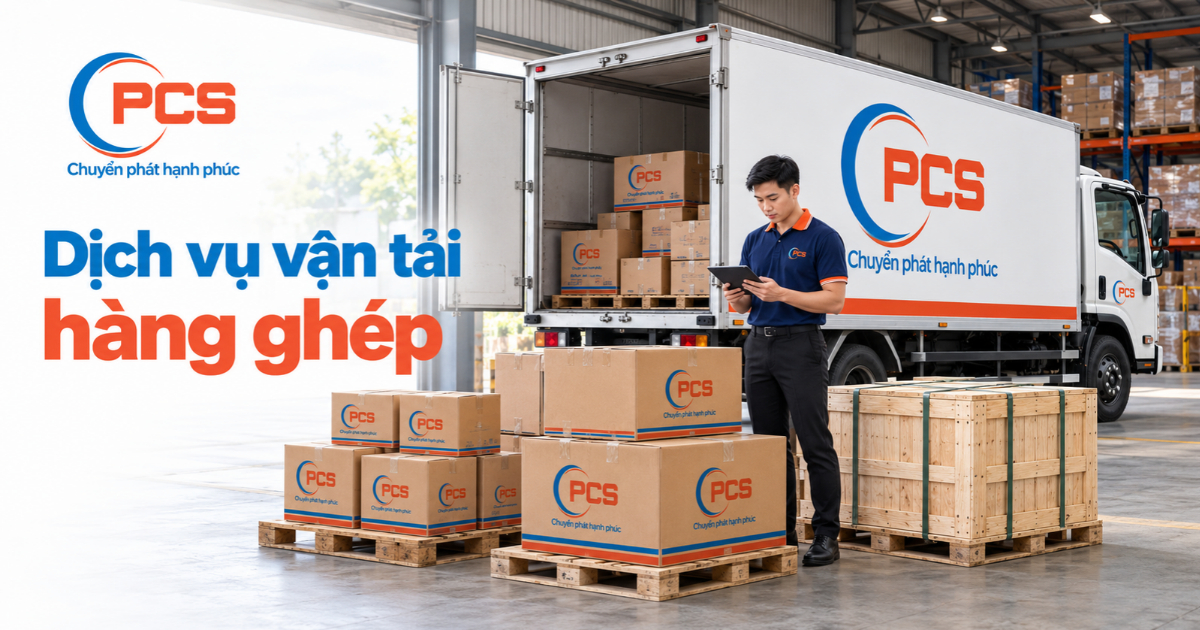
Palletized freight consists of goods grouped and secured on a pallet to simplify lifting, vehicle loading and counting. It is widely used for factory goods, components, industrial materials and boxed finished products.
Businesses should provide the overall dimensions of each loaded pallet, gross weight, height and stackability. They should also confirm forklift availability, loading and unloading locations, and suitable working space at both ends.
Palletized cargo can move by either LTL or FTL. A few pallets intended for scheduled warehouse replenishment may fit an LTL arrangement, while a larger pallet load or a shipment requiring a dedicated departure schedule may call for FTL.
PCS Logistics handles North–South pallet shipments using appropriate lifting arrangements and shipment records based on the packed handling units.
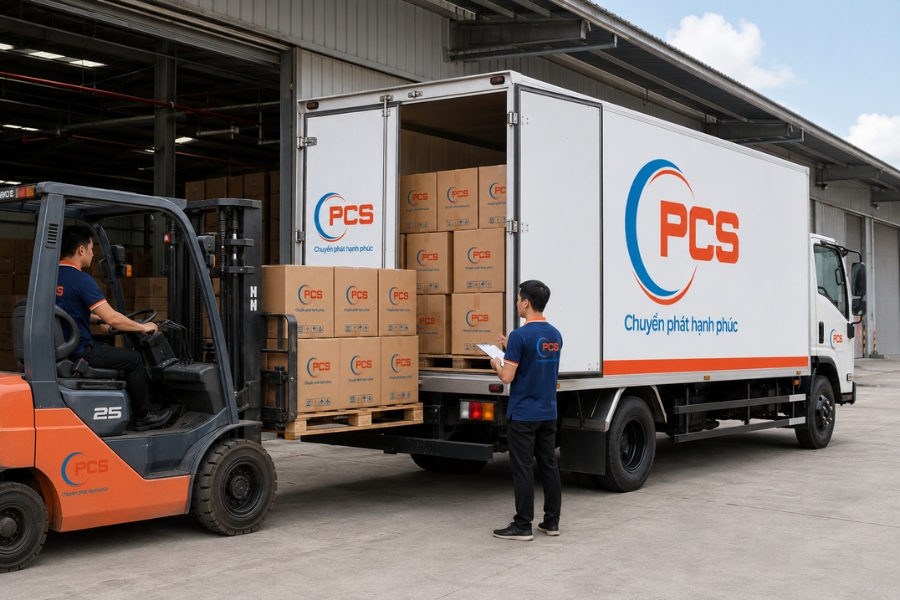
PCS Logistics develops packaging arrangements suited to the characteristics of different industrial cargo groups.
2.4. Dedicated transport for factories and industrial parks
PCS Logistics arranges transportation between specified pickup and delivery points on schedules connected to manufacturing and warehouse operations. Typical movements include:
- Supplier → factory: Replenishing raw materials, components and production supplies.
- Factory → factory: Moving semi-finished goods, equipment and materials between production stages.
- Factory → DC: Transferring finished products to a distribution center.
- DC → distribution network: Replenishing regional warehouses, dealers and distributors.
For dedicated industrial-park transport, PCS develops an arrangement based on shipping frequency, cargo type and business locations. Companies should provide each factory's receiving schedule, vehicle registration requirements, gate contacts and inbound warehouse documentation. This allows vehicle coordination to reflect actual site conditions.
| Business requirement | Recommended arrangement to consider | Details to confirm |
|---|---|---|
| Shipment does not fill a truck; cost is a priority | LTL consolidated freight | Dispatch schedule, consolidation time and final delivery |
| Large shipment or a dedicated vehicle is required | FTL transportation | Truck type, pickup schedule and delivery route |
| Palletized goods requiring easier handling | Pallet transport via LTL or FTL | Dimensions, stackability and forklifts |
| Regular movements between factories, industrial parks and warehouses | Dedicated industrial-park route | Frequency, receiving schedule and handover procedures |
3. North–Central–South Vietnam coverage and transit times
PCS provides North-South linehaul services linking different regions of Vietnam, combining main road transport with collection and delivery at business addresses. Plans should cover the entire route to the final receiving point so warehouse and production teams can arrange personnel accordingly.
3.1. Transport coverage
The network handles shipments in both directions, including:
- Northern ↔ Central Vietnam: Connecting suppliers, factories and distribution warehouses across the two regions.
- Northern ↔ Southern Vietnam: Supporting long-distance stock transfers, manufacturing supply and interregional distribution.
- Central ↔ Southern Vietnam: Connecting regional warehouses, plants and commercial receiving locations.
- Hanoi ↔ Ho Chi Minh City: A major corridor for North–South goods movements.
PCS Logistics North-South Linehaul connects cargo consolidation points across regions. Collection and delivery from the main corridor are arranged according to each factory, industrial park, warehouse, DC or dealer address. Locations away from the primary route may require additional connecting legs and vehicle-access checks.
3.2. Estimated transit times
Transit times depend on the specific route, the choice of LTL or FTL, and the receiving site's schedule. PCS currently indicates an approximate 2–5 days for standard North–South road transportation, depending on the destination. This is an initial planning reference, not a confirmed delivery commitment for every shipment; the actual schedule is agreed when the booking is reviewed.
| Route group | How the estimated time is determined | Key influencing factors |
|---|---|---|
| North ↔ Central | Confirmed using the exact pickup/delivery pair and route schedule | Distance, transport mode and final-mile delivery |
| North ↔ South | Approximately 2–5 days for standard road transportation | LTL/FTL, collection time and receiving schedule |
| Hanoi ↔ Ho Chi Minh City | Confirmed by address and selected arrangement | Pickup hours, vehicle departure, truck restrictions and warehouse/DC appointments |
| Central ↔ South | Confirmed according to route and cargo readiness | Origin, destination, connecting legs and delivery conditions |
Businesses can also review interprovincial freight coverage to assess connections beyond the main corridor to other local destinations.
3.3. Planning pickups and deliveries around business operations
For North–South linehaul transportation services, three milestones should be agreed: when goods are ready for collection, the scheduled vehicle departure and the receiving location's available time window.
For LTL, cargo handover must fit consolidation and dispatch schedules. For FTL, the plan should allow enough time for loading, linehaul movement and unloading at the destination.
When a warehouse or factory requires an advance receiving appointment, send the appointment details at booking. Any changes in receiving hours, address or contact person should also be communicated early so dispatch arrangements can be adjusted.
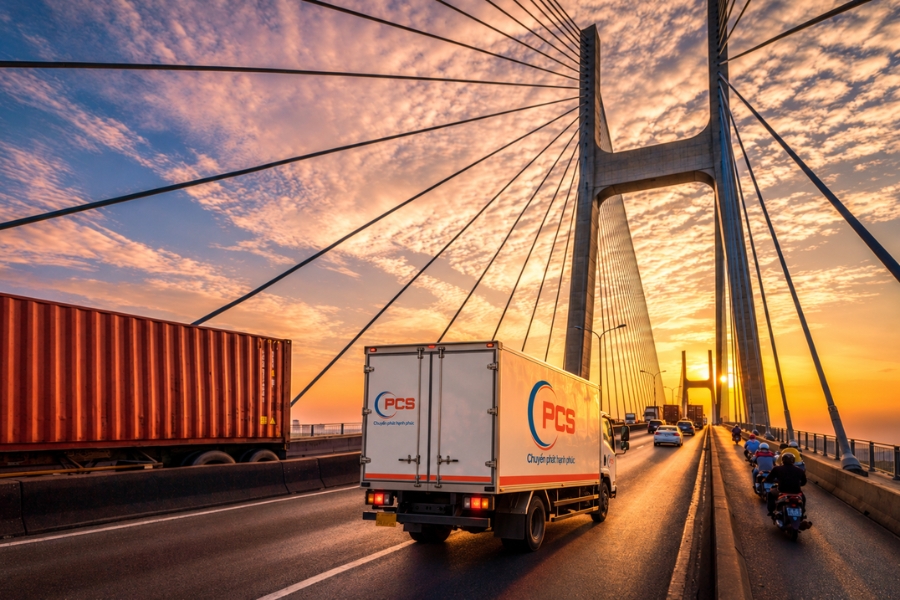
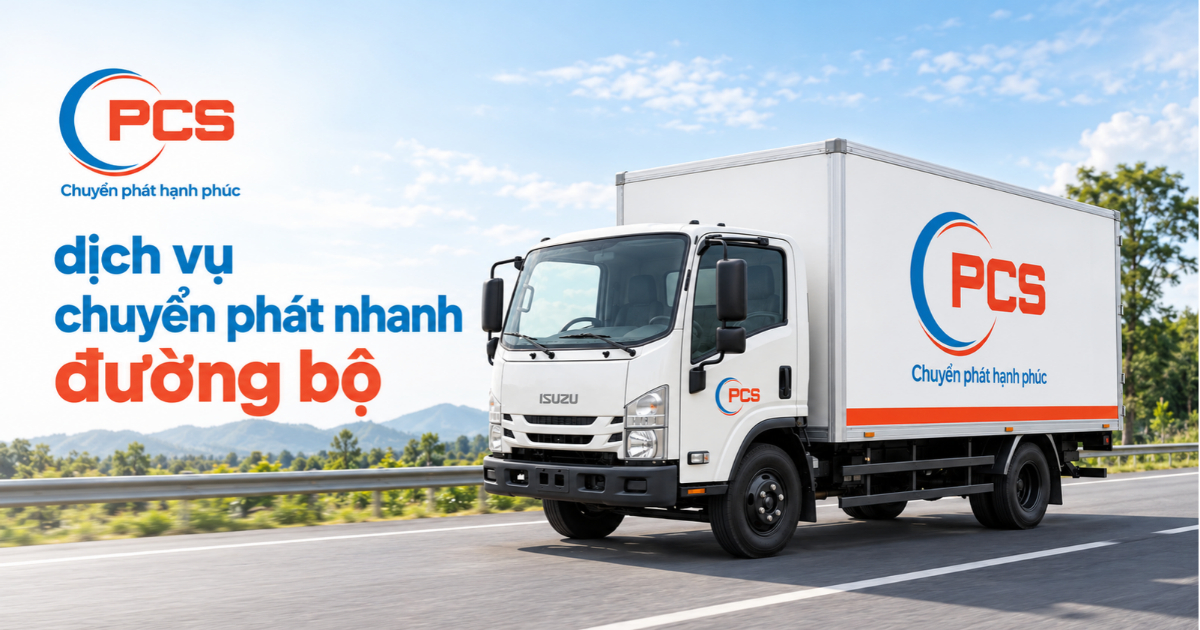
PCS Logistics connects freight transportation across Northern, Central and Southern Vietnam.
4. How are North–South transportation charges calculated?
Pricing for North–South freight transportation depends on shipment characteristics and the work required. Two consignments with the same gross weight may have different costs because of differences in volume, stackability, delivery location or loading requirements.
Factors commonly considered include:
- Transport route: Origin, destination and connecting distance beyond the main corridor.
- Weight and volume: Gross weight and the amount of vehicle space required.
- Package or pallet dimensions: Length, width, height and stackability.
- Cargo characteristics: Protection against impact or moisture, securing needs and special handling.
- Transport arrangement: LTL consolidation or a dedicated FTL vehicle.
- Vehicle type: Payload capacity, body dimensions and access restrictions at delivery points.
- Loading and unloading: Labor, forklifts or other equipment required at either end.
- Additional delivery requirements: Timed deliveries, multiple stops, unloading delays and document returns.
For LTL shipments, quotations should specify the chargeable unit and how the allocated capacity is calculated. For FTL, they should identify the vehicle type, route, number of delivery points and included services. Businesses can also review freight-pricing methods to better understand the cost components.
Contact PCS Logistics for advice and a quotation based on your shipment requirements. For recurring shipments or long-term partnerships, a clearly defined transport agreement helps establish responsibilities, charges, delivery times and exception-handling procedures.




5. North–South shipment handling and delivery control
PCS Logistics follows a five-step process for North-South linehaul services, from the initial request to delivery and reconciliation:
- Receive shipment details: PCS collects the goods description, package or pallet count, weight, dimensions, pickup and delivery addresses, and required arrival date.
- Select the transport arrangement: PCS advises on LTL, FTL or a dedicated route, then confirms the vehicle, schedule, price and related requirements.
- Collect goods and confirm handover: Staff check the package count, packaging condition and documents, recording any discrepancies before acceptance.
- Transport and update shipment status: PCS coordinates the movement, monitors progress and works with receiving contacts if schedules or acceptance conditions change.
- Deliver and reconcile: The recipient checks the shipment and signs the handover record. PCS completes proof of delivery (POD), returns documents and reconciles costs as agreed.
Throughout transportation, PCS monitors shipment status, verifies receiving contacts and retains handover information for documentation and cost reconciliation. If the quantity or condition of goods differs from the handover record, the parties use the documentation to review the issue and agree on next steps.
The North–South freight process tracks cargo from collection through delivery confirmation and reconciliation.
6. PCS Logistics' operational capabilities on the North–South corridor
PCS operates North-South linehaul services supported by its warehousing network, transport resources and shipment-management systems. These capabilities serve both one-off consignments and recurring supply requirements.
6.1. Warehousing network across key regions
PCS Logistics has warehousing locations in major areas including Hanoi, Da Nang and Ho Chi Minh City. This network helps connect interregional freight movements with cargo consolidation, storage and order handling where services are available.
Businesses with multiple dispatch locations or markets can consider integrating warehousing and transportation rather than managing each activity separately.
6.2. Vehicles selected for shipment requirements
PCS Logistics reports a fleet resource of more than 50 trucks, alongside LTL, FTL and pallet transport arrangements. Vehicle selection takes cargo volume, dimensions and receiving conditions into account.
For industrial goods, loading plans should address weight distribution, stackability and securing methods. Where a destination restricts large trucks, planning must also cover an appropriate vehicle for the final delivery leg.
6.3. Technology for order management and dispatch coordination
PCS uses order management and transportation management systems (OMS/TMS) for order handling, transport planning and dispatch coordination. Its Customer Portal supports waybill tracking and reporting.
For road linehaul services, shipment updates should support practical B2B tasks: warehouse teams preparing for arrival, procurement teams monitoring supply schedules, and accounting teams matching delivery records with payment documents.
6.4. Transport planning for recurring B2B requirements
As a provider of domestic linehaul services, PCS advises businesses according to shipment frequency, route and cargo specifications. For regular traffic, both parties can develop a plan based on dispatch calendars, expected volumes and the receiving conditions at each site.
The service agreement should identify dispatch contacts, deadlines for submitting shipment plans, procedures for volume or schedule changes, document-return arrangements and reconciliation cycles. This helps operational teams follow a shared process.
6.5. Experience managing B2B distribution handovers
During distribution operations involving household appliances and refrigeration products for Hoa Phat, PCS has described its approach to checking purchase orders, product models, quantities, delivery locations and receiving schedules at retail points. The operations team also monitors shipment progress, resolves delivery-site issues and retrieves documents after handover.
This experience demonstrates the importance of accurate delivery locations, clear handover information and complete records for reconciliation.
For a business seeking PCS Logistics Linehaul Services, these capabilities can support a plan that links production, warehousing and distribution while maintaining visibility over delivery requirements.
PCS Logistics offers North-South linehaul services for manufacturing, warehousing and distribution needs across Vietnam. With LTL, FTL and palletized transportation options, businesses can select arrangements that reflect shipment volumes, operating schedules and cost considerations.
The service also covers needs commonly described as North-South road freight. Businesses comparing providers under the names PCS Logistics Linehaul Transportation and PCS Logistics North-South Road Freight can submit cargo specifications, origin and destination addresses, and their required delivery date for review. PCS Logistics North-South Linehaul Services can be planned alongside warehousing and distribution requirements where relevant.
Call PCS Logistics at 1900.545.428 to discuss your shipment and request a quotation.