
In the import-export management system, customs declarations serve as the starting point for supervision and export confirmation. However, current regulations still recognize several cases of exported goods without customs declaration due to the specific characteristics of certain supply models or service activities. Understanding the distinction between lawful exceptions and mandatory obligations helps businesses proactively develop appropriate export procedures and prepare supporting documentation more effectively.
1. What is the role of customs declarations in export activities?
A customs declaration is an electronic document registered in the customs system that provides complete information on goods, customs value, export category, and supporting documents. This document serves as the legal basis for customs authorities to supervise, monitor, and confirm that export procedures have been completed.
For regular export shipments, customs declarations are important legal documents that help businesses:
-
Prove that goods have been exported
-
Apply the appropriate VAT rate
-
Complete accounting and tax documentation properly
In cases involving exported goods without a customs declaration, businesses still need to maintain supporting documents and comply with the relevant tax and customs regulations under current Vietnamese law.
To better understand how customs declarations are used in import-export operations, businesses may also refer to related articles on customs declarations and the legal role of customs documentation in different export scenarios.
2. What are exported goods without a customs declaration?
Exported goods without customs declaration refer to cases in which goods or services are supplied to overseas markets, yet no customs declaration is required due to the specific characteristics of the export activity.
The absence of customs declarations applies only to specific situations clearly regulated by guidance issued by tax and customs authorities. These cases commonly involve activities that are not associated with the physical movement of goods across borders or goods supplied to support essential operational needs within non-tariff zones.
Businesses should clearly distinguish between regular commercial exports and those involving exported goods without a customs declaration to ensure proper customs compliance, tax declaration procedures, and the management of supporting documentation.

Businesses should review customs compliance requirements carefully when handling exported goods without a customs declaration.
3. Cases where customs declarations are not Required for export activities
According to Clause 2, Article 16, of Circular 219/2013/TT BTC issued by the Ministry of Finance, customs declarations are among the key documents used to determine VAT deduction and VAT refund eligibility for exported goods and services. However, due to the characteristics of different business activities, regulations recognize several cases of exported goods without customs declaration requirements. These cases are considered conditional exceptions and only apply within the scope specifically regulated by law.
3.1. Export of services and software through electronic platforms
For businesses exporting services or software through electronic platforms, regulations recognize that these activities are not associated with the physical movement of goods across borders. Therefore, cases involving exported goods without customs declaration may apply to these electronic export activities.
In these cases, businesses are required to:
-
Complete procedures confirming that the overseas buyer has received the service or software.
-
Comply with regulations related to electronic commerce.
-
Retain contracts, payment documents, and supporting records for tax management purposes.
3.2. Construction and installation activities overseas or inside non tariff zones
Construction and installation projects conducted overseas or within non tariff zones are classified as specialized service activities. For these activities, regulations do not require businesses to complete customs procedures under the conventional goods export mechanism.
In certain specialized cases of exported goods without a customs declaration, tax obligations and supporting documentation are handled separately under the tax regulations applicable to construction and installation services, depending on the nature of the project and service activity involved.

Construction and installation activities overseas are classified as specialized services and are not subject to conventional export goods procedures.
3.3. Supply of electricity, water, and essential goods to export processing enterprises
Businesses supplying goods and services that support the daily operations and internal production activities of export processing enterprises are also recognized as cases of exported goods without customs declaration requirements under current regulations, including:
-
Electricity and water
-
Office supplies
-
Food products and consumer goods
-
Labor protection equipment such as uniforms, helmets, shoes, boots, and gloves
These goods are considered items directly supporting the regular operations of export processing enterprises and are therefore managed under separate regulatory mechanisms according to current regulations.
The cases mentioned above apply only within the scope regulated by Circular 219/2013/TT BTC regarding VAT deduction and VAT refund conditions. For regular commercial export shipments, customs declarations remain an important legal basis for completing export procedures and determining tax obligations.
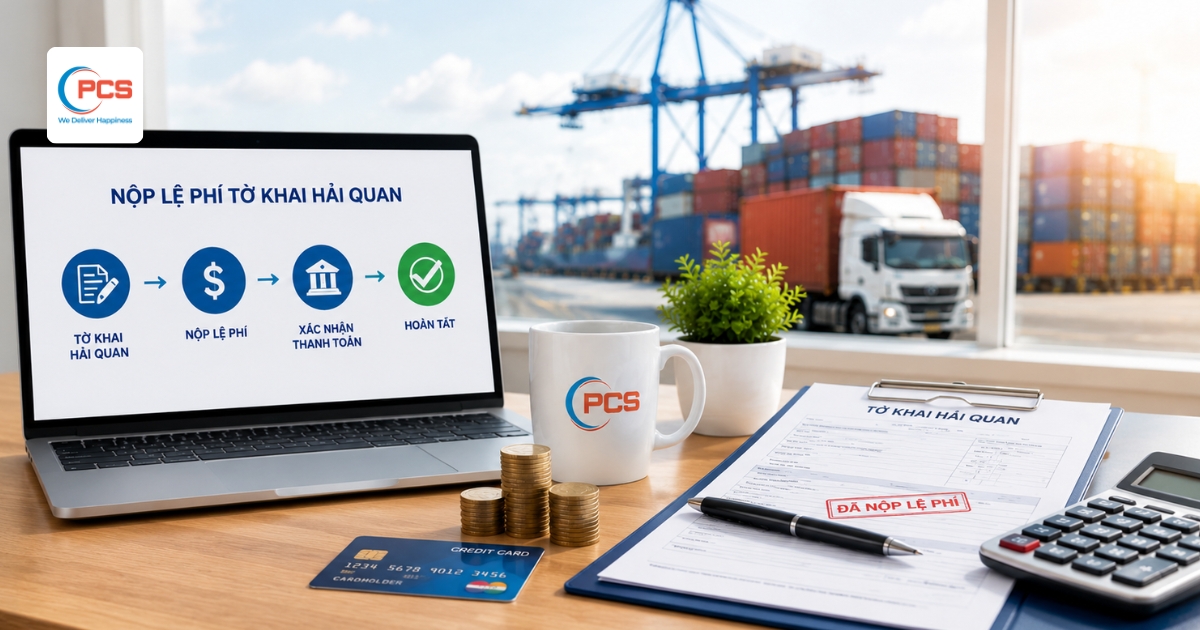
Besides legal compliance considerations, customs-related expenses are also an important concern for exporters handling both goods exported without a customs declaration and regular export shipments. Businesses may also refer to additional guidance regarding customs declaration costs to prepare suitable budgets for each export shipment.
4. Is a customs declaration required when selling goods to export processing enterprises?
Under current regulations, trading activities between the domestic market and export processing enterprises are classified as on-site export-import transactions. However, businesses may choose whether or not to complete customs procedures in several specific situations involving exported goods without customs declaration requirements.
4.1. Cases where customs procedures are not mandatory
According to Circular 38/2015/TT BTC amended by Circular 39/2018/TT BTC, domestic businesses selling the following goods to export processing enterprises may choose not to open customs declarations:
-
Daily necessity goods: Food products, consumer goods, and labor protection equipment such as uniforms, shoes, gloves, and helmets supplied for employees working within export processing enterprises
-
Construction materials: Materials used for factories, office buildings, and equipment installation inside export processing enterprises
-
Office supplies: Paper, pens, and administrative supplies supporting business operations
-
Goods for internal circulation: Goods temporarily transferred into export processing enterprises for machinery maintenance and repair services
These situations are recognized as specific cases of exported goods without customs declaration under current customs compliance regulations.

Goods supporting the internal operations of export processing enterprises are managed under specific customs regulations.
4.2. Conditions for applying the 0% VAT rate without customs declarations
Even in cases involving exported goods without customs declaration, suppliers must still satisfy several replacement conditions in order to apply the 0% VAT rate and receive input VAT deductions:
-
Invoices: Businesses must issue VAT invoices or sales invoices in accordance with Ministry of Finance regulations.
-
Payment documents: Bank payment records are mandatory to prove non-cash payment transactions.
-
Document retention: Businesses are required to retain contracts and all supporting documents for tax inspection and customs compliance purposes.
Businesses must accurately determine the purpose and usage of goods. If goods do not fall under the category of internal consumption support or internal construction support yet customs declarations are omitted improperly, tax authorities may reject the application of the 0% VAT rate. In such cases:
-
Shipments may be subject to the standard 10% domestic VAT rate.
-
Related input VAT may become ineligible for deduction.
5. Final thoughts
Understanding the regulations surrounding exported goods without customs declaration helps businesses select suitable shipping methods and customs procedures from the beginning. As customs compliance and tax regulations continue becoming stricter, businesses should proactively review contracts, supporting documents, and bank payment records to minimize compliance risks and potential tax reassessments.
For businesses still uncertain about declaration categories for specialized shipments or international gift consignments, the experienced personnel at PCS Logistics are always ready to provide practical logistics and customs compliance solutions that ensure legal accuracy and cost efficiency.